



Why Energy and Mitochondrial Health Deserve Real Attention

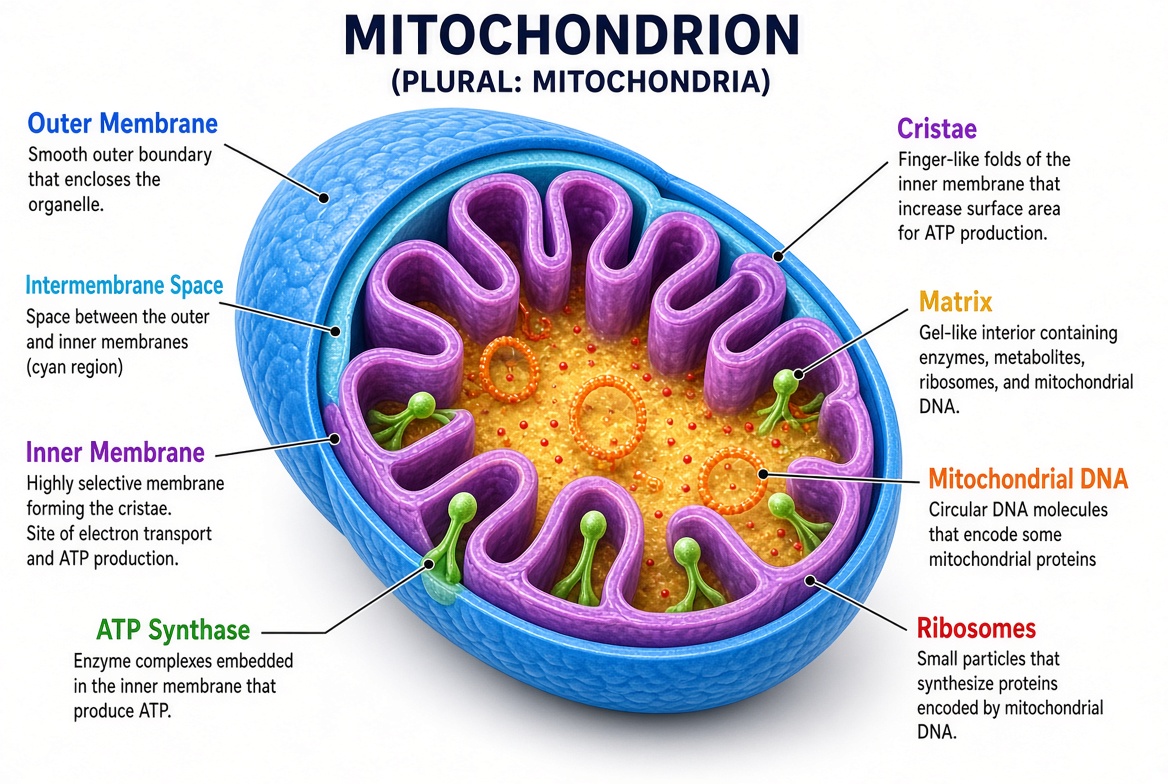
Fatigue has quietly become one of the most common complaints in modern life — and one of the most often dismissed. People are told to sleep more, manage stress better, or simply push through, while the underlying biology driving persistent exhaustion goes largely unexamined. Yet at the cellular level, energy is not an abstraction. It is produced, moment to moment, inside mitochondria — the structures within nearly every cell responsible for converting food and oxygen into usable fuel. When that process is disrupted, the result is not simply feeling tired. It can mean brain fog, unstable blood sugar, poor exercise tolerance, slow recovery from illness or exertion, and a body that struggles to keep up with ordinary daily demands.
Several features of modern life place unusual strain on this system. Chronic psychological stress keeps the body’s alarm hormones elevated far more often than they were ever designed to be. Diets heavy in ultra-processed food supply calories without the cofactors mitochondria actually need to do their work. Sedentary routines remove one of the strongest natural signals for building new, healthy mitochondria. Disrupted sleep and irregular light exposure throw off the circadian timing that governs when the body repairs itself. And a growing burden of environmental toxins, medication side effects, and low-grade chronic inflammation can directly impair the very machinery of cellular energy production. None of these pressures existed in anything like their current form or scale a century ago.
This matters because mitochondrial and energy-related dysfunction is not a fringe concern — it sits underneath a wide range of conditions that are becoming more common and more visible, from unexplained fatigue and reactive hypoglycemia to autonomic disorders like POTS, connective tissue conditions, and mast cell activation syndrome. Recognizing this pattern is not about assigning blame to lifestyle; it is about taking a real, evidence-based look at the biology involved, so that fatigue and its related symptoms can be met with genuine investigation rather than resignation. The papers below are offered in that spirit — to give individuals and their care teams a clear, well-sourced starting point for understanding what may be happening at the cellular level, and what can realistically be done to support it.

A Whole-Person Approach to Health and Wellbeing
Orchard Human Services, Inc., a 501(c)(3) nonprofit clinical and educational organization founded by Darleen Claire Wodzenski, MS ESE, MA CMHC, PhD, LPC, NCC, ACS, works to support the full picture of a person’s health — not just the emotional or psychological piece, and not just the physical piece, but the ways the two are constantly shaping one another.
Mental health and emotional wellbeing do not exist in isolation from the body. Mood, focus, resilience, and capacity to cope are all influenced by underlying biochemistry — blood sugar stability, mitochondrial energy production, nutrient status, sleep architecture, and the surrounding environment. Orchard’s work is grounded in this understanding: that real, lasting support for mental and emotional health often requires looking honestly at what is happening in the body as well. This page reflects that commitment — offering well-sourced, accessible information so that clients and their care teams can consider the biochemical and environmental threads that may be woven into a person’s overall wellbeing.
Each paper below is free to download, share with your healthcare providers, and reference alongside your own care plan.



This educational material provides general information on nutrition, mitochondrial health, and related research only. It is not medical advice, diagnosis, or treatment. Always share and discuss this information with your primary care provider, doctor, pharmacist, registered dietitian, or other qualified healthcare professional before making any changes to your health plan.
Important Notice
- Educational Use Only: Content is meant to share general knowledge, not to replace professional medical care.
- Consult Your Team: Bring these details to your personal medical team for review.
- Individual Care: Your providers know your history best and can adjust guidance for your specific body.
 Home
Home
Orchard Human Services, Inc. · DrDarleen@orchardhumanservices.org · Text: (470) 420-9994 · OrchardHumanServices.org