Orchard Human Services · Family & Parenting
Parenting Together
A gentle guide for couples working to align their parenting knowledge, style, discipline, daily routines, and mealtimes — so your little one feels one steady, loving team.

You do not have to agree on everything to parent well together. What children need most is not two identical parents — it is a coordinated, predictable team they can count on. When partners move in the same gentle direction, a child spends less energy testing the edges and more energy growing.
This page is a place to slow down and compare notes. Use it to notice where you already agree, where you quietly differ, and how you want to handle the moments when you disagree in front of your child. Go at your own pace. One soft conversation at a time is plenty.

Every child carries a Human Superpower® — a coordinated team helps it shine.
How to use this page as a couple
- Pick one section, not all of them. A single category is enough for one sitting.
- Take turns answering out loud. One person answers fully before the other responds.
- Stay curious, not corrective. The goal is to understand each other, not to win the point.
- Look for the story underneath. Most strong opinions trace back to how we were each raised.
- Name what you decide. When you reach an agreement, say it plainly so you both remember it.
An Orchard Perspective
Coordination is how a child feels safe
When the adults around a child move as a team, the child’s nervous system can settle. Predictable, coordinated caregiving is one of the quiet foundations of secure attachment — and one of the most protective gifts two partners can offer. At Orchard, our clinicians work from an attachment-based, trauma-informed lens, including Dr. Darleen’s Fluid Trauma® framework, to help parents understand the patterns beneath their own reactions so those patterns do not run the household on their own.
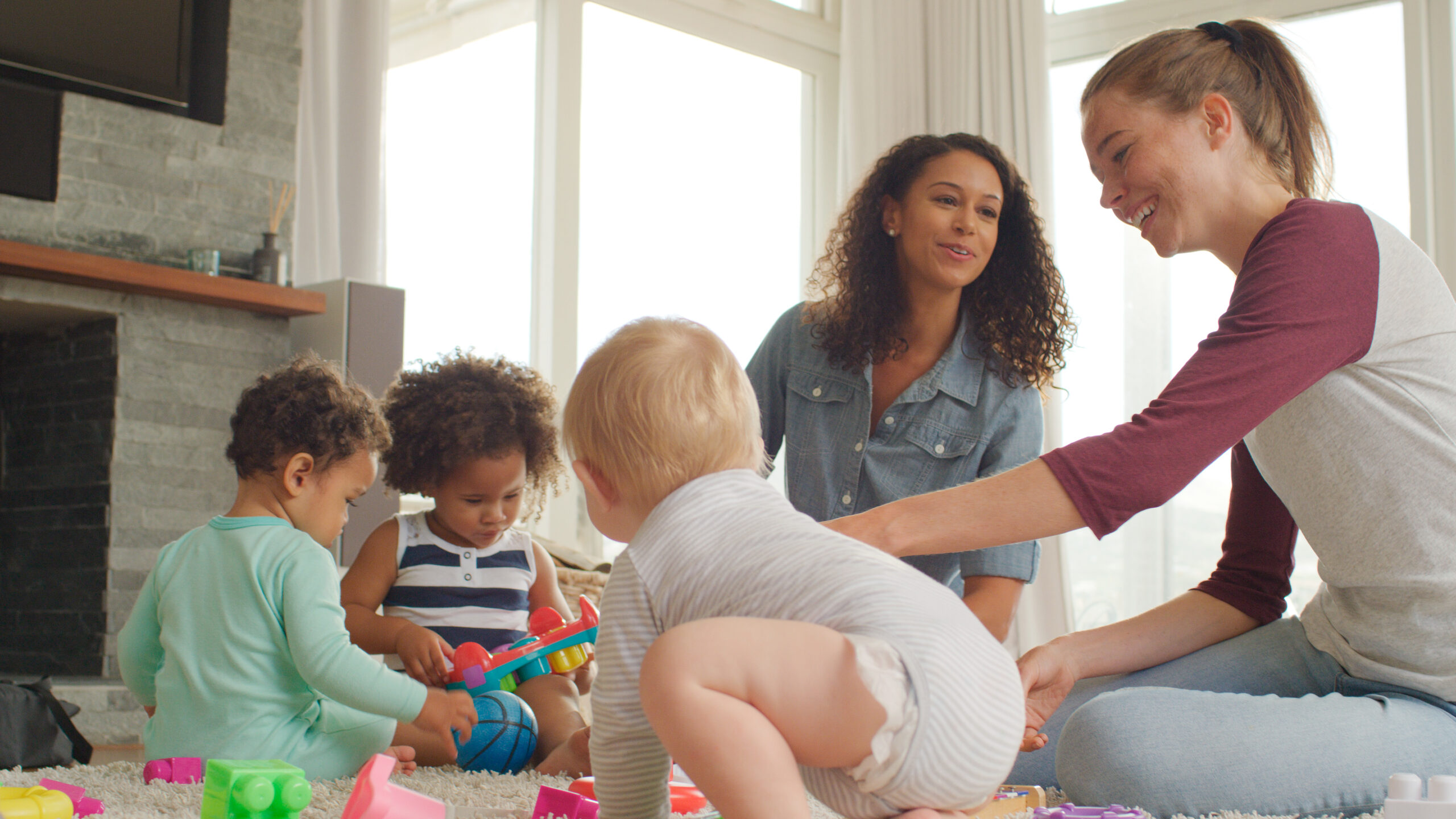
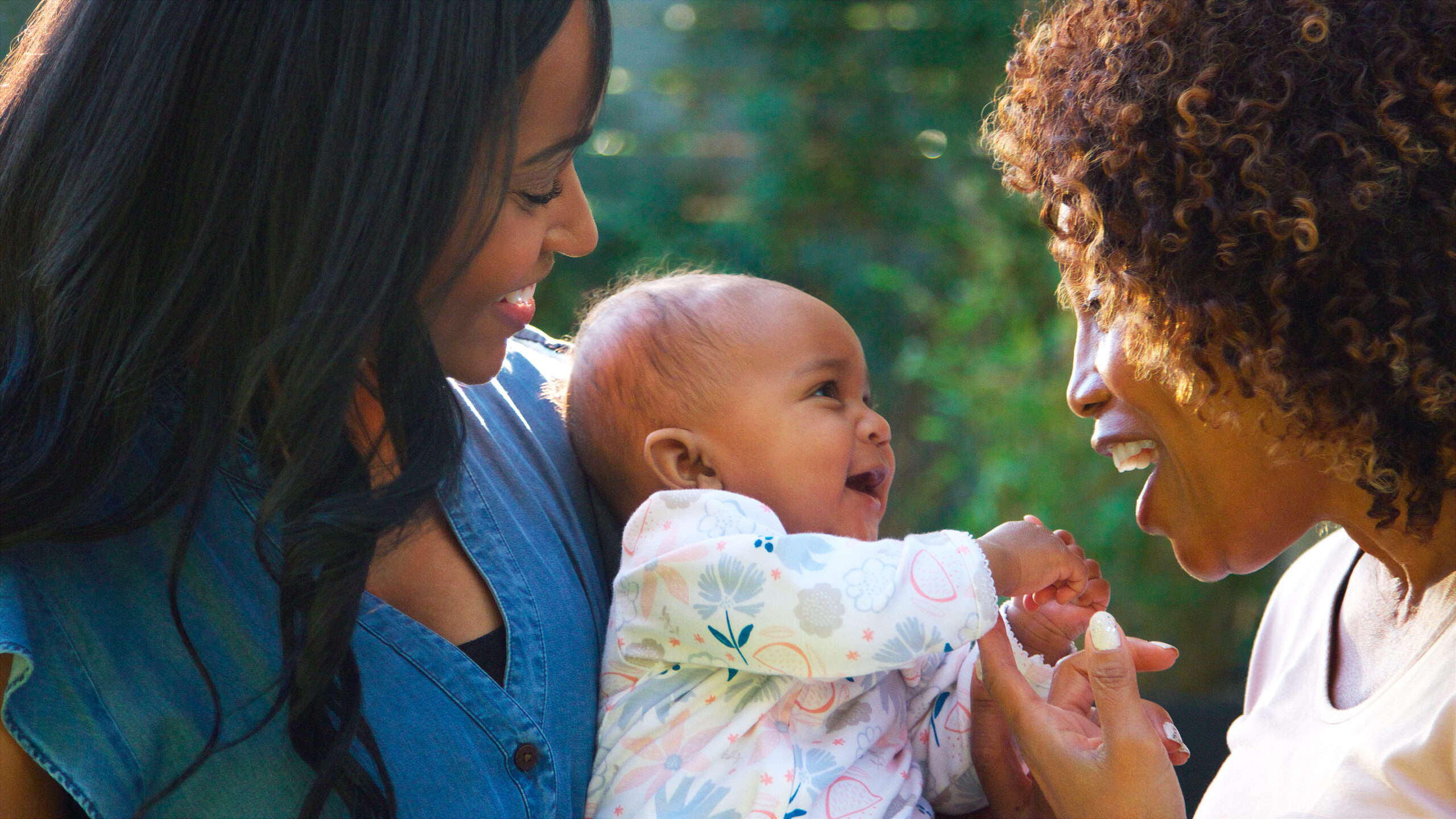
Security is passed gently from one generation to the next.
Questions & Discussion PromptsTalk it through, one theme at a time
Five gentle conversations for two partners. There are no right answers — only clearer understanding.
What We Each Bring
Parenting knowledge & beliefs
- When you picture a “good parent,” whose voice or example comes to mind first — and why?
- What did your own family get right that you want to carry forward?
- What did you experience growing up that you have quietly promised to do differently?
- Where did each of us learn what we “know” about children — our upbringing, faith, culture, books, training?
- Which parenting belief do you hold most strongly, and how open are you to bending on it?
- What is one thing you wish your partner understood about how you were raised?

How We Show Up
Parenting style
- Do we lean more toward warmth, more toward structure, or a blend — and does that shift when we are tired?
- When our child pushes a limit, what is our first instinct: hold firm, explain, or soften?
- How much independence feels right for our child right now, and do we agree on that?
- Whose “yes” and whose “no” tends to carry more weight in our home, and how does that sit with us?
- When we disagree in the moment, how do we want to signal it to each other without confusing our child?
- What does “a united team” actually look like, in practice, to each of us?
Limits, Guidance & Repair
Discipline
- What is the purpose of a consequence in our home — to teach, to stop a behavior, to protect, or something else?
- Which behaviors are non-negotiable for us, and which can we let go?
- How do we handle it when one of us sets a limit and the other would have chosen differently?
- What does each of us do to stay calm when our child is not calm?
- After a hard moment, how do we repair — with our child, and with each other?
- Is there any form of discipline from either of our childhoods that we agree we will not use?
The Rhythm of the Day
Child-rearing & daily routines
- What do our mornings, bedtimes, and transitions look like — and where do they snag?
- How do we each feel about screens: how much, when, and who enforces it?
- What responsibilities or chores feel right for our child, and are we asking for them consistently?
- How do we split the invisible work — appointments, forms, worries, planning ahead?
- When routines differ between homes or households, how do we talk about that with our child?
- What is one small routine we could make more predictable this week?


The Family Table
Nutrition & mealtimes
- What did mealtimes feel like in each of our childhoods, and what do we want ours to feel like?
- Where do we agree and disagree about sweets, snacks, portions, and “finishing the plate”?
- How do we respond when our child refuses a food — offer again calmly, negotiate, or hold the line?
- What is our shared rule for the table: devices away, everyone stays, one family meal?
- How do we keep food from becoming a reward, a punishment, or a battleground?
- What is one mealtime habit we would like to build together?

Joy grows where children feel safe.
Social StoriesShort scenes to read together
Each of these is a small, familiar moment. Read one aloud, then ask each other: “Which parent sounds more like me? What would we want to do here?”
The Two Bedtimes
The moment. One parent believes a firm, on-time bedtime is a kindness. The other believes a few more minutes of cuddling never hurt anyone. Most nights, the child senses the gap and lobbies the softer parent. Bedtime slowly slides later, and both parents feel quietly undermined.
Underneath. One parent is protecting rest and the next morning. The other is protecting closeness. Neither is wrong — they are guarding two different good things.
The coordinated move. They agree on a bedtime and a short, shared wind-down that holds both values: the structure of a set time, plus a few unhurried minutes of closeness built right into it. Now the softer parent’s warmth lives inside the routine instead of against it.
Different Rules at a Relative’s House
The moment. At a beloved relative’s home, the treats flow and the rules relax. The child returns home wired and pushing back on the usual limits. One parent wants to say something to the relative; the other does not want to make waves.
Underneath. One parent is protecting consistency. The other is protecting a cherished family relationship. Both are trying to care for the child — from different angles.
The coordinated move. They decide together what is flexible (a special-day treat) and what stays firm (safety, respect, the return to routine at home). They agree on one calm sentence to share with the relative, and they say it as a team. To the child, they simply name it: “Some days are special-day rules. At home, we are back to our regular rhythm.”
The Plate Standoff
The moment. Dinner stalls over an untouched vegetable. One parent wants a few more bites before dessert. The other wants to let it go. The table tightens, and the meal becomes a negotiation.
Underneath. One parent is protecting nutrition and follow-through. The other is protecting a peaceful table and a healthy relationship with food. Both matter.
The coordinated move. Away from the table, they agree on a shared approach they can both stand behind: the parents decide what is offered and when; the child decides how much to eat from what is served. New foods keep appearing, calmly and without pressure, and dessert is not held out as a prize. The battleground quietly disappears.
The Public Wobble
The moment. In a store, the child melts down. One parent steps in quickly to end it. The other feels the child needs a moment to settle first. They exchange a look, each certain the other is handling it wrong.
Underneath. One parent is protecting the child from overwhelm and the room from a scene. The other is protecting the child’s chance to learn to recover. Two forms of care, pulling in the moment.
The coordinated move. They agree ahead of time on a simple signal that means “you take the lead, I have your back.” Whoever is closest handles it; the other supports the call without contradicting it, and they compare notes afterward in private. The child experiences two calm adults, not a tug-of-war.
Room to make, mix, and make a little mess together.



Practical ToolsFive habits of a coordinated team
- Present one front, sort it out later. In the moment, back each other’s call; work through the disagreement privately, away from your child.
- Hold a weekly parenting huddle. Fifteen quiet minutes to compare notes, choose one or two priorities, and hand off the mental load.
- “You call it, I have your back.” When one parent is handling a moment, the other supports the call and raises concerns afterward.
- Name the repair out loud. Children learn the most from watching two adults disagree respectfully and reconnect.
- Write down the few that matter. Choose your handful of non-negotiables together, and let the small stuff flex.

Two partners, building one home.
Trusted ResourcesRead more & watch together
A short, carefully chosen shelf of research-backed guidance from respected organizations. Each link opens in a new tab.
Websites Read
Gottman ParentingWebsite Research-based tools from the Gottman Institute for raising emotionally intelligent children while staying connected as partners.
CDC — Positive Parenting TipsWebsite Stage-by-stage guidance on development, safety, and positive, consistent discipline across childhood.
CDC — Essentials for Parenting Toddlers & PreschoolersWebsite Free articles and videos on routines, clear directions, and calm, consistent responses to challenging behavior.
Circle of Security InternationalWebsite An attachment-based map that helps parents read what a child needs beneath the behavior — a natural companion to Orchard’s approach.
HealthyChildren.org — Feeding & Picky Eaters (AAP)Website Pediatrician-backed guidance from the American Academy of Pediatrics on feeding, picky eating, and family mealtimes.
USDA MyPlateWebsite Simple, official nutrition guidance and meal ideas for every stage of family life.
Videos Watch
Circle of Security — AnimationVideo · about 4 min A short tour of the attachment “circle”: when a child needs a secure base to explore, and a safe haven to return to.
Circle of Security — ConnectionVideo · about 3 min A brief look at how connection, not control, is the key to secure parenting.
The Still Face Experiment (ZERO TO THREE)Video Dr. Edward Tronick’s classic demonstration of how deeply a child relies on a caregiver’s warm responsiveness.
Still Face Experiment with DadsVideo The same experiment with fathers, followed by their own reflections on what they felt.
Gentle Voices We Love Classics
Mister Rogers’ NeighborhoodFred Rogers · Show & media Watch episodes and clips and explore the songs and gentle messages behind Fred Rogers’ beloved program — a lasting model of calm, respectful talk with children.
The World According to Mister RogersFred Rogers · Book Fred Rogers’ plainspoken wisdom on love, self-worth, and inner discipline — one of many books and children’s stories he left for families.
Brazelton Touchpoints CenterDr. T. Berry Brazelton · Organization The home of Dr. Brazelton’s life’s work, with parent resources built around the developmental “touchpoints” every child moves through.
Touchpoints & the Brazelton Way BooksDr. T. Berry Brazelton · Books His landmark Touchpoints series and the gentle Brazelton Way guides on sleep, feeding, discipline, and the leaps of the toddler and early years.
What Every Baby KnowsDr. T. Berry Brazelton · Lifetime series Dr. Brazelton’s Emmy-winning Lifetime program, following real families through the ordinary, tender moments of early parenthood.
Parenting with Love and LogicJim Fay, Dr. Charles Fay & Foster Cline · Books The Love and Logic Institute’s practical approach: firm, loving limits paired with empathy, so children learn from small mistakes. Books, courses, and free parenting tips.
Love and Logic Magic for Early ChildhoodLove and Logic · Book The early-years guide, from toddlers to preschoolers — setting clear limits and easing tantrums, mornings, and mealtimes without the stress.

Fathers, fully in the picture.

A steady, colorful world to grow in.
When the same conversation keeps coming back
If one disagreement keeps returning, or old patterns from your own childhoods seem to be steering the wheel, a few sessions with a clinician can help you find steadier ground together. Orchard Human Services offers telehealth counseling across Florida, Georgia, and Virginia, grounded in attachment-based, trauma-informed care.
Email customerservice@orchardhumanservices.org
Steadier ground, one gentle step at a time.