




Informational only
This page is for education and is not medical advice. Please bring this information to your medical providers for support and guidance, and check with both your doctor and your pharmacist before making changes to your diet, supplements, or medications, since natural products can interact with medications. In an emergency, call 911. For a mental health crisis, call or text 988. The full disclaimer appears in Section 20.
How to use this page
For the public and clients: start anywhere that matches your concern. Each section ends with practical steps and safety notes. Download the Food & Vitality Log in Section 9.
For counselors and interns: Section 19 has scope guidance, screening, referral red flags, a fast-share guide, and client-ready scripts.
On this page
1. The Gut, the Brain, and the Body Talk to Each Other2. Step One: The Power of a Whole-Foods Diet3. Feeding Your Inner Garden: 30 Plants a Week and Probiotics4. Food Allergy, Intolerance, and Histamine Reactions5. Histamine, Oxalates, Lectins, FODMAPs, and Fermented Foods6. Gluten and Dairy: What to Know Before You Cut Them Out7. Choosing a Safe, High-Quality Olive Oil8. Healthy Fats for a Healthy Gut9. Your Food & Vitality Log10. Healing the Gut Lining: Tight Junctions and Glutamine11. Energy, Vitality, and Your Mitochondria12. Vitamin B12, Intrinsic Factor, and Pernicious Anemia13. Sunlight and Vitamin D14. Blood Sugar, Night Lows, and Sleep15. The Healing Power of Sleep16. Your Sleep Toolkit: Light, Temperature, Rhythm, and Nutrition17. Nasal Breathing, Humming, and Nitric Oxide18. Self-Compassion and Compassion for Others19. For Clinicians, Interns, and Therapists20. Important Information and DisclaimerReferencesSection 1
The Gut, the Brain, and the Body Talk to Each Other
Why digestive health and nervous-system health are one conversation
The digestive tract has its own nervous system, called the enteric nervous system, a dense web of nerve cells that can run digestion largely on its own while staying in constant contact with the brain. Researchers describe this relationship as the microbiota–gut–brain axis: a two-way communication network that runs through the vagus nerve, stress hormones, the immune system, and chemical signals made by gut microbes (Cryan et al., 2019).
The vagus nerve is central to this conversation. Roughly 80% of its fibers carry information upward, from the gut and organs to the brain, which is one reason a churning stomach can feel like anxiety, and anxiety can feel like a churning stomach (Breit et al., 2018). Vagal activity also helps calm inflammation, linking a settled nervous system to a calmer gut (Breit et al., 2018).
A map of the gut–brain–body network
Brain
Interprets body signals; sends stress or safety messages down to the gut.
Vagus nerve
Two-way information highway; most fibers carry messages from the body up to the brain.
Stress hormones (HPA axis)
Cortisol and adrenaline shift digestion, motility, and the gut barrier.
Gut microbiome
Trillions of microbes that make signaling compounds and train the immune system.
Gut lining
A single layer of cells, sealed by tight junctions, deciding what enters the body.
Immune system
Much of it sits along the gut; inflammation here is felt body-wide.
Where somatic healing fits
Somatic approaches work through the body: breath, posture, movement, sound, touch, and attention to sensation. When the nervous system is in a threat state, the body prioritizes survival over digestion, so stomach emptying, gut movement, secretions, and repair all shift. Stress can also loosen the seal between gut-lining cells, a change researchers measure as increased intestinal permeability (Camilleri, 2019). When the body shifts toward a rest-and-digest state, digestion and repair can resume. Every section of this page connects back to that shift: food, light, sleep, breath, and self-compassion are all ways of signaling safety to the body.
Plain-language summary to share
Your gut and your brain are on the same team and talk all day long. Stress, sleep, food, and how kindly you treat yourself all change that conversation. Small, steady changes in each area add up.
Informational only; not medical advice. Talk with your doctor and pharmacist before changing your diet, supplements, or medications. Emergency: call 911. Crisis: call or text 988.
Section 2
Step One: The Power of a Whole-Foods Diet
The best-supported, lowest-risk change for the gut, mood, and energy
Not all processing is harmful. Washing, freezing, chopping, or canning vegetables changes very little. Researchers use the NOVA system to sort foods into four groups by how much they have been changed from their natural state (Monteiro et al., 2019):
| NOVA group | What it means | Examples |
|---|---|---|
| 1. Whole or minimally processed | Foods close to how they grow, lightly changed by washing, drying, freezing, or cooking | Fresh or frozen vegetables and fruit, plain beans, eggs, fish, plain yogurt, oats, nuts |
| 2. Culinary ingredients | Items used to cook whole foods | Olive oil, butter, salt, vinegar, honey |
| 3. Processed foods | Whole foods with a few added ingredients | Canned beans, cheese, traditional bread, canned fish |
| 4. Ultra-processed foods | Industrial formulations with ingredients rarely used in home kitchens | Soft drinks, packaged snack cakes, many chips and candies, reconstituted meats, many ready meals |
What the research shows
In a tightly controlled inpatient trial at the National Institutes of Health, adults ate either an ultra-processed or a minimally processed diet for two weeks each, with meals matched for calories, sugar, fat, fiber, and other nutrients offered. On the ultra-processed diet, participants ate about 500 more calories a day and gained weight; on the minimally processed diet, they lost weight (Hall et al., 2019). Because this was a randomized trial, it shows that processing itself changes how much people eat.
A large umbrella review that pooled meta-analyses covering millions of people linked higher ultra-processed food intake with 32 adverse health outcomes, including higher risk of death from any cause, heart disease, type 2 diabetes, anxiety, and depression. The strength of the evidence varied across outcomes (Lane et al., 2024).
Why this matters for the gut
Common food emulsifiers, which keep packaged foods smooth and shelf-stable, thinned the protective mucus layer of the gut, shifted the microbiome, and promoted low-grade inflammation in mice (Chassaing et al., 2015). In a randomized controlled feeding study in healthy adults, the emulsifier carboxymethylcellulose altered the gut microbiome and reduced beneficial microbial metabolites, and in some participants, bacteria moved closer to the gut lining (Chassaing et al., 2022). These findings connect directly to the gut-barrier section below.
Why this matters for mood
In the SMILES trial, adults with major depression who received support to shift toward a whole-foods, Mediterranean-style diet improved significantly more than those receiving social support alone (Jacka et al., 2017). For more on food and mental health, visit our Nutrition for Mental Health page.
Practical tips
- The kitchen test: if the ingredient list includes items you would not find in a home kitchen, such as emulsifiers, flavor enhancers, colorings, or artificial sweeteners, the food is likely ultra-processed (Monteiro et al., 2019).
- Shop the edges: produce, fresh proteins, plain dairy, and bulk grains and beans.
- Swap, don’t just subtract: fruit and nuts for snack cakes; sparkling water with citrus for soda; oats with berries for sugary cereal; homemade soups and bean dishes for boxed meals.
- Start small: replace one ultra-processed item per week. Many people notice a difference in digestion and energy within a few weeks.
Informational only; not medical advice. Talk with your doctor and pharmacist before changing your diet, supplements, or medications. Emergency: call 911. Crisis: call or text 988.
Section 3
Feeding Your Inner Garden: 30 Plants a Week and Probiotics
Variety feeds a diverse microbial community
The 30-plants goal
The gut is home to a vast community of microorganisms, and different microbes thrive on different plant fibers and plant compounds. In the American Gut Project, one of the largest citizen-science microbiome studies, people who ate more than 30 different types of plants per week had more diverse gut microbiomes than people who ate 10 or fewer (McDonald et al., 2018). This finding is associational, meaning it shows a link rather than proof of cause, but plant variety is a low-risk, high-reward habit.
What counts as a plant?
Vegetables, fruits, beans and lentils, whole grains, nuts, seeds, herbs, and spices. Each different kind counts once per week, however often you eat it. A handful of mixed nuts, a sprinkle of seeds, or a spice blend can add several at once. The Weekly Review page of the Food & Vitality Log includes a 30-plant counter.
Probiotics: the strain matters
A probiotic’s effects depend on its exact strain, not just its genus and species name. A large systematic review found that benefits were specific to both the strain and the health condition studied, so results for one product cannot be assumed for another (McFarland et al., 2018). Look for the full name on the label: genus, species, and strain code.
Saccharomyces boulardii
A beneficial yeast, not a bacterium. It has the strongest evidence of the three: a meta-analysis found it reduced the risk of antibiotic-associated diarrhea (Szajewska & Kołodziej, 2015).
Safety: rare bloodstream fungal infections have been reported, mostly in people who are critically ill, immunocompromised, or have a central venous catheter (Kelesidis & Pothoulakis, 2012).
Limosilactobacillus reuteri (formerly Lactobacillus reuteri)
A well-studied species with effects that differ sharply from strain to strain. Specific strains have been researched for particular digestive conditions, so the strain on the label should match the condition studied (McFarland et al., 2018).
Bottom line: promising for specific uses, not a general cure-all.
Akkermansia muciniphila
A bacterium that lives in the gut’s mucus layer. In a small proof-of-concept trial in adults with overweight or obesity, a pasteurized form was safe and improved insulin sensitivity and some metabolic markers (Depommier et al., 2019).
Bottom line: emerging research; human evidence is still limited.
Talk to your provider before starting any probiotic
This is especially important if you are pregnant or nursing, immunocompromised, critically ill, recovering from surgery, have a central line or port, or take immune-suppressing medications.
Informational only; not medical advice. Talk with your doctor and pharmacist before changing your diet, supplements, or medications. Emergency: call 911. Crisis: call or text 988.
Section 4
Food Allergy, Intolerance, and Histamine Reactions
Recognizing the signals your body may be sending
Many foods can trigger symptoms, and the reactions are not always where people expect them. Some people have lived with these symptoms for so long that they do not know what a settled body feels like. Learning the three main types of food reactions is the first step in recognizing patterns.
| Food allergy | Food intolerance | Histamine reaction | |
|---|---|---|---|
| What it is | An immune reaction, usually involving IgE antibodies | A digestive problem, not an immune one (for example, lactose or certain carbohydrates called FODMAPs) | A buildup of histamine from food, or reduced ability to break it down |
| Typical timing | Minutes to about 2 hours | Often several hours | Minutes to hours |
| How much triggers it | Even a trace amount can | Depends on the amount eaten | Depends on the amount; effects can add up over a day |
| Danger level | Can be life-threatening (anaphylaxis) | Uncomfortable but not dangerous | Usually not dangerous, but can closely mimic allergy |
Food allergy involves the immune system and can escalate quickly, while intolerances arise from digestion and usually depend on dose (Sicherer & Sampson, 2018). Itching or tingling in the mouth after eating raw fruits or vegetables is often pollen-food allergy syndrome (also called oral allergy syndrome), a cross-reaction between pollen proteins and similar proteins in fresh produce (Sicherer & Sampson, 2018). Histamine reactions occur when histamine from food builds up faster than the body can clear it, often linked to lower activity of the enzyme diamine oxidase (DAO). Symptoms can include flushing, headache, nasal congestion, heart racing, hives, and digestive upset (Maintz & Novak, 2007).
Celiac disease is different from all three: it is an autoimmune condition triggered by gluten. Testing must be done while gluten is still in the diet, so talk with your doctor before removing gluten (Lebwohl & Rubio-Tapia, 2021).
Symptoms by body system
Heart and circulation
- Heart racing or pounding
- Skipped or extra beats
- Dizziness or lightheadedness when standing up from sitting or lying down
Head
- Headache
- Pressure in the head or sinuses
- Flushing of the face
Gut
- Bloating, gas, cramping
- Reflux or nausea
- Diarrhea or constipation
Skin
- Itching
- Hives or rash
- Swelling
Mouth and throat
- Itching, tingling, or burning
- Redness
- Swelling of lips, tongue, or throat
Mind and mood
- Sudden sleepiness
- Edginess or irritability
- Mental confusion, brain fog, or feeling spacey
Call 911 right away if breathing is affected
Trouble breathing, wheezing, throat tightness, swelling of the tongue or lips, trouble swallowing, feeling faint, widespread hives, or repeated vomiting after eating can be signs of anaphylaxis. Use epinephrine if it has been prescribed, then call 911. Epinephrine is the first-line treatment, and delays increase risk (Shaker et al., 2020).
See a provider promptly for these
- New or persistent heart racing or skipped beats, especially with chest pain or fainting. These need a heart evaluation and should not be assumed to come from food.
- Dizziness on standing, which can reflect orthostatic intolerance, including postural orthostatic tachycardia syndrome (POTS), dehydration, or blood-pressure changes. An expert consensus notes that mast-cell activation, which involves histamine, can occur alongside POTS in some people (Vernino et al., 2021).
- Ongoing brain fog, fatigue, or edginess. These overlap with thyroid problems, anemia, B12 deficiency, and sleep apnea, which should be ruled out alongside any food exploration.
Learning what a settled body feels like
Because so many foods can contribute to these symptoms, many people never connect how they feel to what they eat. Gently removing likely aggravating foods for a period, with guidance, can let a person experience, sometimes for the first time in years, what it feels like to live in a calm, settled body. The next section explains how to do that safely and step by step.
Informational only; not medical advice. Talk with your doctor and pharmacist before changing your diet, supplements, or medications. Emergency: call 911. Crisis: call or text 988.
Section 5
Histamine, Oxalates, Lectins, FODMAPs, and Fermented Foods
Common aggravants, what the evidence says, and a safe path to find your own triggers
Histamine
Histamine is high in aged, cured, fermented, and leftover foods, including aged cheeses, cured meats, wine, sauerkraut, and some fish. People with lower DAO enzyme activity may react to the combined load across a day (Maintz & Novak, 2007). Evidence for histamine intolerance as a distinct diagnosis is still developing, so a trial should be guided by a provider.
Oxalates
Oxalates are natural compounds in spinach, rhubarb, beets, nuts, and some other plants. The strongest evidence for limiting them is in people prone to calcium oxalate kidney stones and those with fat malabsorption after gut surgery or disease (Mitchell et al., 2019). Popular claims about “oxalate dumping” are anecdotal. Make low-oxalate changes with your provider.
Lectins
Lectins are proteins found in beans, grains, and some vegetables. Soaking, boiling, and pressure cooking greatly reduce lectin activity (Adamcová et al., 2021). Raw or undercooked kidney beans are the real exception and can cause significant illness. Properly cooked legumes are among the best sources of gut-feeding fiber, so prepare them well rather than avoid them.
FODMAPs
FODMAPs are fermentable carbohydrates in foods such as onion, garlic, wheat, some fruits, and beans. A low-FODMAP diet can ease IBS symptoms, but it is designed as a short restriction phase followed by reintroduction and personalization. Long-term restriction can reduce beneficial bifidobacteria (Staudacher & Whelan, 2017).
Fermented foods: pause, heal, and reintroduce
Fermented foods such as yogurt, kefir, kimchi, sauerkraut, and kombucha can be powerful allies. In a randomized study, adults who ate a high-fermented-food diet for 10 weeks increased their gut microbiome diversity and lowered multiple inflammatory markers (Wastyk et al., 2021).
But fermented foods are also high in histamine (Maintz & Novak, 2007), and for a gut that is inflamed or reactive, they may aggravate symptoms at first. A reasonable approach, discussed with a provider, is to pause fermented foods during a healing period, then reintroduce them one at a time in small amounts, tracking the response for 24 to 72 hours using the reintroduction box in the Food & Vitality Log. If tolerated, they can return as a regular part of the diet.
A safe, stepwise path to finding your triggers
Removing many food groups at once can shrink the diet so much that it creates nutritional gaps, works against the 30-plants goal, and raises the risk of disordered eating. A stepwise approach delivers the same benefit, a chance to feel what a settled body is like, with far less risk.
1. Remove ultra-processed foods
The lowest-risk, best-supported change. For many people, this alone brings noticeable relief.
2. Track patterns
Use the Food & Vitality Log for 1 to 2 weeks to see which foods and times line up with symptoms.
3. Targeted, short elimination
Remove only the category the log points to (for example, high-histamine or high-FODMAP foods), ideally with a registered dietitian.
4. Structured reintroduction
Return foods one at a time and watch for 24 to 72 hours. The goal is the widest diet your body tolerates.
Elimination diets are not right for everyone
Restrictive diets can trigger or worsen disordered eating. If you have a history of eating concerns, or if food rules start to feel stressful or controlling, work only with your physician, a registered dietitian, and your counselor before removing foods. Any elimination should be short, structured, and planned with reintroduction from the start.
Informational only; not medical advice. Talk with your doctor and pharmacist before changing your diet, supplements, or medications. Emergency: call 911. Crisis: call or text 988.
Section 6
Gluten and Dairy: What to Know Before You Cut Them Out
Sorting out what actually causes symptoms, and choosing replacements wisely
Gluten: who truly needs to avoid it
Gluten is the main protein in wheat, barley, and rye. For people with celiac disease, gluten triggers an autoimmune reaction that damages the small intestine, and strict lifelong avoidance is essential (Lebwohl & Rubio-Tapia, 2021). Testing for celiac disease must be done while gluten is still being eaten, so talk with your doctor before removing it.
Many more people feel better when they cut back on wheat but do not have celiac disease. Research suggests that for many of them, gluten is not the main culprit:
Fructans (a FODMAP)
In a double-blind, placebo-controlled crossover trial of people with self-reported gluten sensitivity, fructans, a fermentable carbohydrate found in wheat, caused more bloating and digestive symptoms than gluten did; gluten produced no more symptoms than placebo (Skodje et al., 2018).
Amylase-trypsin inhibitors
Wheat also contains natural pest-resistance proteins called amylase-trypsin inhibitors, which activate the innate immune system through a receptor called TLR4 and can fuel gut inflammation in laboratory and animal studies (Junker et al., 2012).
Try true sourdough before giving up all bread
Traditional sourdough is made by slow fermentation with wild yeasts and lactic acid bacteria rather than fast-acting commercial yeast. That long fermentation breaks down much of the wheat’s fructans: in one study, conventional sourdough fermentation reduced bread fructans by 65% to 70%, compared with less than 50% for standard yeasted dough, and selected sourdough cultures reduced them by more than 90% (Li et al., 2020). For people whose symptoms come from fructans rather than gluten, a genuine, slow-fermented sourdough may be well tolerated, so it is worth a careful, logged trial before eliminating all bread products.
Sourdough is NOT safe for celiac disease
Ordinary sourdough still contains gluten. People with celiac disease, wheat allergy, or a doctor’s instruction to avoid gluten should not use sourdough as a workaround. Also check labels: many store-bought “sourdough” loaves are made with commercial yeast and added flavoring and are not slow-fermented.
The hidden problems with gluten-free replacements
Gluten gives bread its stretch and structure, so gluten-free breads, cookies, and cakes rely on other ingredients to imitate it, usually plant gums and thickeners such as xanthan gum, guar gum, psyllium, and modified cellulose. In some products, an enzyme called microbial transglutaminase is used to bind proteins together. Researchers have raised concerns that this food-processing enzyme functionally imitates tissue transglutaminase, the enzyme at the center of celiac disease, and that the cross-linked protein complexes it creates may be immunogenic and may increase intestinal permeability (Lerner & Matthias, 2020). This concern is still debated and largely based on laboratory evidence, but it is a reason for caution, especially for people with celiac disease or gut inflammation.
Packaged gluten-free products also tend to be heavily processed. A database study found that they were often lower in protein, rarely high in fiber, much more expensive, and offered no nutritional advantage over their gluten-containing counterparts (Missbach et al., 2015). Many fall into the ultra-processed category described in Step One.
Alternative flours can bring their own reactions
| Flour | Possible concern |
|---|---|
| Almond and other nut flours | Tree-nut allergy; almonds are also high in oxalates |
| Lupin flour | A recognized allergen that can cross-react in people with peanut allergy and can cause severe reactions (Jappe & Vieths, 2010) |
| Chickpea, pea, and other legume flours | Legume allergy; FODMAPs (galacto-oligosaccharides) that can trigger IBS symptoms |
| Buckwheat flour | A potent allergen for some people |
| Coconut flour | Very high in fiber, which can cause bloating; coconut allergy is uncommon but possible |
| Rice, tapioca, potato, and corn starches | Rapidly digested starches that can raise blood sugar quickly |
Track any new flour in the Food & Vitality Log the same way you would reintroduce a food: one at a time, with attention to histamine-type, allergic, digestive, and blood-sugar responses.
Cauliflower breads and crusts: read the label, then check your own response
Cauliflower itself is a low-carbohydrate, low-glycemic vegetable, so it is often promoted as a blood-sugar-friendly flour substitute. In practice, many cauliflower breads, crusts, and flour blends are combined with rice flour, tapioca, potato starch, or cornstarch to hold them together, and those starches can raise blood sugar quickly. Glucose responses to the same food also differ widely from person to person (Zeevi et al., 2015), and some people notice a larger rise or a crash after cauliflower-based products. If blood-sugar stability is part of your health strategy, do not assume a cauliflower product is a safe swap: read the ingredient list, and test your own response using the Food & Vitality Log or a glucose monitor if you use one.
Why blood-sugar swings matter for inflammation
Blood sugar is not only about energy. When glucose was raised acutely in healthy adults, levels of the inflammatory messengers interleukin-6, tumor necrosis factor-alpha, and interleukin-18 rose within hours through an oxidative-stress mechanism, and the effect lasted longer in people with impaired glucose tolerance (Esposito et al., 2002). Repeated spikes can add to the inflammatory load that affects the gut, mood, and energy.
Dairy: intolerance, allergy, and options
Dairy causes trouble in two different ways. Lactose intolerance is a digestive problem: many adults make less of the enzyme lactase, so milk sugar ferments in the gut and causes bloating, cramping, and diarrhea. Lactose malabsorption is common worldwide, and people with IBS or anxiety are more likely to feel symptoms from it (Misselwitz et al., 2019). Milk allergy is an immune reaction to milk proteins (casein or whey) and can be serious; it requires strict avoidance and medical guidance (Sicherer & Sampson, 2018).
Lactose-free milk and lactase
Regular dairy with the lactose pre-digested, or lactase enzyme tablets taken with dairy. Helpful for intolerance; not for milk allergy (Misselwitz et al., 2019).
A2 milk
Milk from cows that produce only the A2 type of beta-casein protein. In a small single-meal randomized trial, people with lactose intolerance reported less abdominal pain with A2-only milk than with conventional milk (Ramakrishnan et al., 2020). Evidence is still limited, and it still contains lactose and milk protein.
Aged cheese and fermented dairy
Hard aged cheeses, yogurt, and kefir are naturally lower in lactose, but they are high in histamine and fermented, so pause them during a fermented-food or low-histamine trial (Maintz & Novak, 2007).
Plant milks
Unsweetened almond, coconut, soy, pea, and oat milks are common choices. Soy and pea offer the most protein; oat milk is higher in carbohydrate and can raise blood sugar; almond and coconut are low in carbohydrate. Choose unsweetened versions fortified with calcium and vitamin D, and check for tree-nut, soy, or other allergies.
Dr. Darleen’s favorite: Nutpods
For many years, Dr. Darleen has used Nutpods Original Unsweetened almond-and-coconut creamer instead of cream in her coffee. It has a short ingredient list, no added sugar, and about 10 calories and 0 grams of sugar per tablespoon. The Original Unsweetened ingredient list is water, coconut cream, almonds, acacia gum, dipotassium phosphate, sunflower lecithin, sea salt, and gellan gum. Like most shelf-stable creamers, it contains small amounts of plant-based gums and stabilizers, so anyone sensitive to these, or allergic to tree nuts or coconut, should check the label and track their response.
Disclosure: Neither Dr. Darleen nor Orchard Human Services, Inc. has any financial relationship with Nutpods or receives anything for this mention. It is a personal favorite, shared for information only.
Informational only; not medical advice. Talk with your doctor and pharmacist before changing your diet, supplements, or medications. Emergency: call 911. Crisis: call or text 988.
Section 7
Choosing a Safe, High-Quality Olive Oil
Why extra virgin and single source matter for your health
Extra virgin olive oil (EVOO) is one of the best-studied foods in nutrition science. In the PREDIMED trial, adults at high cardiovascular risk who followed a Mediterranean diet supplemented with extra virgin olive oil had about 30% fewer major cardiovascular events, such as heart attack and stroke, than those advised to follow a reduced-fat diet (Estruch et al., 2018). Its benefits come not only from its monounsaturated fat but from natural plant compounds called polyphenols, which have antioxidant and anti-inflammatory effects and appear to support a healthier gut microbiome and gut barrier (Millman et al., 2021).
One of these polyphenols, oleocanthal, is responsible for the peppery sting at the back of the throat from fresh, high-quality EVOO. It inhibits the same inflammatory enzymes (cyclooxygenases) as ibuprofen, although the amount in a normal serving is far smaller than a dose of the medication (Beauchamp et al., 2005). That throat-catching bite is a sign of a polyphenol-rich oil.
Why extra virgin is the better choice
| Label | How it is made | What that means |
|---|---|---|
| Extra virgin | Mechanically pressed from fresh olives without heat or chemical solvents; must pass chemical and taste standards | Keeps the most polyphenols, vitamin E, and flavor |
| Virgin | Mechanically pressed, but with minor flavor defects allowed | Fewer polyphenols than extra virgin |
| “Pure,” “light,” or plain “olive oil” | Mostly refined oil, processed with heat and filtration, blended with a little virgin oil | Most polyphenols removed; “light” refers to flavor, not calories |
| Olive pomace oil | Extracted from leftover olive paste with solvents, then refined | Lowest quality; avoid for health purposes |
Why choose a single-source olive oil
Extra virgin olive oil is one of the most frequently counterfeited foods in the world. Documented fraud includes diluting EVOO with cheaper vegetable oils, selling lower grades as extra virgin, and mislabeling where the oil came from. Adulterated oils have poorer nutritional quality, oxidize more readily, and may contain unhealthy compounds formed during refining (Lozano-Castellón et al., 2022).
Large commercial bottles are often blends of oils from several countries and harvests, sometimes labeled only “packed in” or “bottled in” one country. Officially recognized testing methods cannot always trace the true geographic and botanical origin of such blends (Maestrello et al., 2022). A single-source oil, from one country, region, or ideally one estate or producer, with the harvest date on the label, has a shorter, more transparent supply chain. That makes it easier to verify, more accountable to its producer, and more likely to be fresh. Single source is not a guarantee of quality on its own, but combined with the other signs below, it greatly improves your odds.
How to choose a safe olive oil: a shopping checklist
- “Extra virgin” on the label, not “pure,” “light,” or “olive oil” alone.
- Single source: one named country, region, estate, or producer, rather than a multi-country blend.
- Harvest date printed on the bottle, ideally from the most recent harvest. A “best by” date alone is less informative.
- Dark glass or a metal tin, which protects the oil from light. Avoid clear plastic bottles.
- Third-party certification or a protected origin seal, such as a regional producers’ council seal or a European Protected Designation of Origin (PDO) label, which adds independent quality checks.
- Taste test: fresh, high-quality EVOO tastes fruity, grassy, or bitter and often leaves a peppery sting in the throat. Flat, greasy, waxy, or crayon-like flavors suggest an old or low-quality oil.
- Price as a clue: genuine extra virgin olive oil costs more to produce; an unusually cheap “extra virgin” deserves suspicion.
Storing olive oil
Light, heat, and air break down olive oil’s polyphenols and cause it to go rancid. Keep it tightly capped in a cool, dark cabinet away from the stove, buy a size you will use within about a month or two of opening, and discard oil that smells like crayons or putty.
Informational only; not medical advice. Talk with your doctor and pharmacist before changing your diet, supplements, or medications. Emergency: call 911. Crisis: call or text 988.
Section 8
Healthy Fats for a Healthy Gut
How the fats you choose can calm or inflame the gut
Fat is essential. It builds every cell membrane, makes up much of the brain, carries the fat-soluble vitamins A, D, E, and K into the body, and slows the absorption of carbohydrates, which helps steady blood sugar. The type and amount of fat you eat also shape the gut microbiome and the body’s inflammatory tone. High-quality, healthy fats support the body’s healing and can help calm inflammation, while damaged and highly processed fats can add to it.
Two pathways
Healthy fats
Extra virgin olive oil, omega-3s from fish, nuts, seeds, avocado
Gut benefits
Polyphenols and omega-3s support microbial diversity and a calmer immune response
Less inflammation
Steadier gut barrier, healthier signaling to the body and brain
Harmful fats
Industrial trans fats, deep-fried and repeatedly heated oils, fat-heavy ultra-processed foods
Gut disruption
Shifts toward inflammatory microbes and lower beneficial short-chain fatty acids
More inflammation
Higher inflammatory markers that can further aggravate the gut
Fats that support gut health
Extra virgin olive oil
Monounsaturated fat plus polyphenols that act as antioxidants and anti-inflammatory compounds and support a healthier gut microbiome and mucosal immune system (Millman et al., 2021). See the olive oil section for how to choose a good one.
Omega-3 fats
Found in fatty fish such as salmon, sardines, and mackerel, and in smaller plant forms in walnuts, flaxseed, and chia. In a study of 876 women, higher blood levels of omega-3 fats, especially DHA, were associated with greater gut microbiome diversity (Menni et al., 2017).
Whole-food fats
Nuts, seeds, avocados, and olives deliver fat packaged with fiber and polyphenols that feed beneficial microbes, and each counts toward your 30 plants a week (McDonald et al., 2018).
Pasture-raised butter
A traditional, minimally processed fat. Milk fat from cows raised mostly on grass and pasture has a better omega-6 to omega-3 balance and more omega-3 fats and conjugated linoleic acid (CLA) than conventional milk fat (Benbrook et al., 2018). Butter is still a saturated fat, so it is best used in moderate amounts.
Coconut oil
A heat-stable fat that resists oxidation in cooking. In a meta-analysis of clinical trials, coconut oil did not raise markers of inflammation, but it did raise LDL cholesterol compared with other plant oils (Neelakantan et al., 2020). If you have high cholesterol or heart-disease risk, talk with your doctor about how much fits your plan.
Fats that can promote inflammation
Industrial trans fats
Made by partially hydrogenating vegetable oil. In the Nurses’ Health Studies, women with the highest trans fat intake had higher levels of tumor necrosis factor receptors, markers of systemic inflammation (Mozaffarian et al., 2004). Partially hydrogenated oils have been largely removed from the U.S. food supply, but check ingredient lists on older, imported, or bakery items.
Heavy saturated fat in a Western diet
In genetically susceptible mice, a diet high in milk-derived saturated fat promoted the overgrowth of an inflammatory gut bacterium and increased colitis (Devkota et al., 2012). This is animal research, but it shows that the fats we eat can reshape the microbiome.
Too much fat overall
In a 6-month randomized controlled-feeding trial in young adults, a higher-fat diet (40% of calories) reduced beneficial short-chain fatty acids, shifted the microbiome unfavorably, and raised inflammatory markers compared with a lower-fat diet (Wan et al., 2019). Quality matters, and so does quantity.
Deep-fried and ultra-processed foods
Fried fast foods, packaged snacks, and pastries often combine refined oils, repeated high heat, refined starch, sugar, and emulsifiers, all of which add to the inflammatory load described in Step One (Lane et al., 2024).
A hypothesis worth watching: processed oils and modern disease
Ophthalmologist Chris Knobbe, MD, compared national consumption of two markers of processed food, vegetable (seed) oils and sugar, with rates of age-related macular degeneration in 25 nations. In each nation, rising consumption of these foods was followed, generally within 30 to 40 years, by new or rising rates of macular degeneration; where vegetable-oil intake stayed very low, the disease stayed rare (Knobbe & Stojanoska, 2017). Knobbe and others propose that the same pattern may extend to heart disease, obesity, and diabetes.
In a 2025 presentation, Dr. Knobbe applied this approach to France, comparing national vegetable oil, sugar, and carbohydrate supply from United Nations food-balance data (FAOSTAT) with health trends from 1961 to 2022. France’s vegetable oil supply roughly tripled from the 1960s to a peak around 2008, then fell. The World Health Organization’s estimate of adult obesity in France rose until 2006 to 2007 and then declined, closely tracking the oil curve, while total carbohydrate intake stayed nearly flat throughout (Fave, 2025). In a large Paris-area cardiovascular screening cohort of middle-aged adults, known diabetes, undiagnosed diabetes, and prediabetes also declined between 2007 and 2018 (Hauguel-Moreau et al., 2023). France’s national survey series, however, found that adult obesity continued rising, to 17% in 2020 (Fontbonne et al., 2023), so the pattern depends on which data set is used.
This is population-level, correlational evidence, so it raises an important question rather than settling it. Together with the problems of rancidity and heavy refining described below, it is one more reason to build your diet around whole, minimally processed fats.
Quality is critical: rancid and heavily refined oils
Fats are fragile. Heat, light, and air oxidize them, and an oxidized, rancid oil can add to inflammation rather than calm it. Many oils are already partly rancid by the time they are eaten. For example, when researchers tested every fish oil supplement sold in New Zealand, most exceeded recommended limits for oxidation and contained less omega-3 than their labels claimed; price, country of origin, and best-before date did not predict quality (Albert et al., 2015).
Most supermarket cooking oils are refined, bleached, and deodorized. Deodorizing is a high-heat steam step, not an added ingredient, and it strips away odors and flavors, including those that would otherwise reveal a stale or rancid oil, so the oil looks and smells neutral regardless of its quality. The high heat of refining can also form processing contaminants such as glycidyl esters and 3-MCPD esters, which manufacturers work to reduce (Yung et al., 2023). Adulterated olive oils share the same problems: poorer nutrition, faster oxidation, and processing by-products (Lozano-Castellón et al., 2022).
That is why choosing a high-quality fat matters so much: single-source extra virgin olive oil with a harvest date, pasture-raised butter, coconut oil, and whole-food fats, stored away from heat and light and used while fresh. If an oil or a bottle of fish oil smells fishy, sharp, or like crayons or paint, discard it.
Practical swaps
- Use single-source extra virgin olive oil for salad dressings, drizzling, and everyday cooking; pasture-raised butter or coconut oil in moderation where their flavor suits the dish.
- Eat fatty fish such as salmon or sardines about twice a week, or ask your provider about omega-3 options if you do not eat fish.
- Choose a handful of nuts or seeds over chips and pastries.
- Pair carbohydrates with a healthy fat and protein to slow blood-sugar rises, as in the bedtime snack ideas.
- Limit fried fast foods, and avoid anything listing “partially hydrogenated” oil.
- Ask your doctor before starting fish oil supplements, especially if you take blood thinners.
Informational only; not medical advice. Talk with your doctor and pharmacist before changing your diet, supplements, or medications. Emergency: call 911. Crisis: call or text 988.
Section 9
Your Food & Vitality Log
A simple tool to see patterns you and your care team can act on
Symptoms from food, sleep, and stress often show up hours after the cause, which makes patterns hard to spot from memory. A written log turns vague impressions into information that you, your doctor, your dietitian, and your counselor can review together. Because glucose responses and food tolerance vary widely from person to person (Zeevi et al., 2015), your own log is more useful than any generic food list.
Type into it on a phone, tablet, or computer, or print it and write by hand.
What the log includes
Daily Page A: Meals
- Time, food and drink, and amount
- Hunger before and fullness after (0–10)
- 16 symptom checkboxes, from bloating to dizziness on standing
- When symptoms began, and what you noticed
Daily Page B: Body and energy
- Bowel movements with the Bristol Stool Scale
- Energy, mood, stress, and calm ratings
- Sleep times, quality, and night wakings
- Water, morning light, screens-off time, movement, supplements, and medications
Reintroduction trials
- Food tested, amount, and time
- Your response at 24, 48, and 72 hours
- Supports the pause-and-reintroduce approach
Weekly review
- 30-plant counter
- Foods tolerated and possible triggers
- What helped energy, sleep, and calm
- Questions for your providers
How to use it
- Fill in meals soon after eating, and note symptoms as they happen.
- Track for 1 to 2 weeks to start. Save a new copy of the file each week.
- Look for timing patterns, not single bad days.
- Bring the log to your appointments. Your providers help interpret it with you.
A gentle caution
Detailed food tracking can feed anxiety or restriction for some people. If that is true for you, skip the amounts and track only symptoms and experiences, or use the log only with your provider’s guidance.
Informational only; not medical advice. Talk with your doctor and pharmacist before changing your diet, supplements, or medications. Emergency: call 911. Crisis: call or text 988.
Section 10
Healing the Gut Lining: Tight Junctions and Glutamine
Supporting the seal between the gut and the rest of the body
The gut lining is a single layer of cells joined by protein seals called tight junctions. These seals decide what passes from the gut into the bloodstream. When they loosen, more material can cross the barrier, a measurable change called increased intestinal permeability. Increased permeability is a real, measurable finding in conditions such as celiac disease and inflammatory bowel disease, and it can rise with stress. However, “leaky gut syndrome” is not an established medical diagnosis, and researchers caution that permeability is not yet proven to cause most of the conditions attributed to it (Camilleri, 2019).
Glutamine
Glutamine is an amino acid and a primary fuel for the cells lining the gut. Cell and animal studies show that it supports tight-junction proteins and helps regulate inflammation. In the strongest human study to date, a randomized placebo-controlled trial in adults whose IBS with diarrhea began after a gut infection and who had increased intestinal permeability, glutamine supplementation for eight weeks significantly reduced IBS symptoms and normalized permeability compared with placebo (Zhou et al., 2019). Evidence in broader groups is limited and mixed.
A safety signal worth knowing
In a large trial of critically ill patients with multiorgan failure, high-dose glutamine increased mortality (Heyland et al., 2013). This does not apply to healthy people using ordinary food sources, but it shows that more is not always better and that context matters.
Talk with your provider and pharmacist first
Glutamine is not right for everyone. Ask before using it if you have liver disease, kidney disease, a seizure disorder, a bipolar disorder diagnosis, or cancer; if you are pregnant or nursing; or if you take any prescription medications. This page intentionally does not list doses; your provider can advise whether it fits your situation.
Everyday barrier support
- Fiber from a wide variety of plants, which gut microbes turn into compounds that nourish the lining
- Fewer ultra-processed foods and emulsifiers (Chassaing et al., 2022)
- Enough sleep and regular nervous-system calming, since stress can increase permeability (Camilleri, 2019)
- Adequate vitamin D, which helps maintain the gut barrier (Fletcher et al., 2019)
Informational only; not medical advice. Talk with your doctor and pharmacist before changing your diet, supplements, or medications. Emergency: call 911. Crisis: call or text 988.
Section 11
Energy, Vitality, and Your Mitochondria
How chronic gut distress can drain the body’s power plants
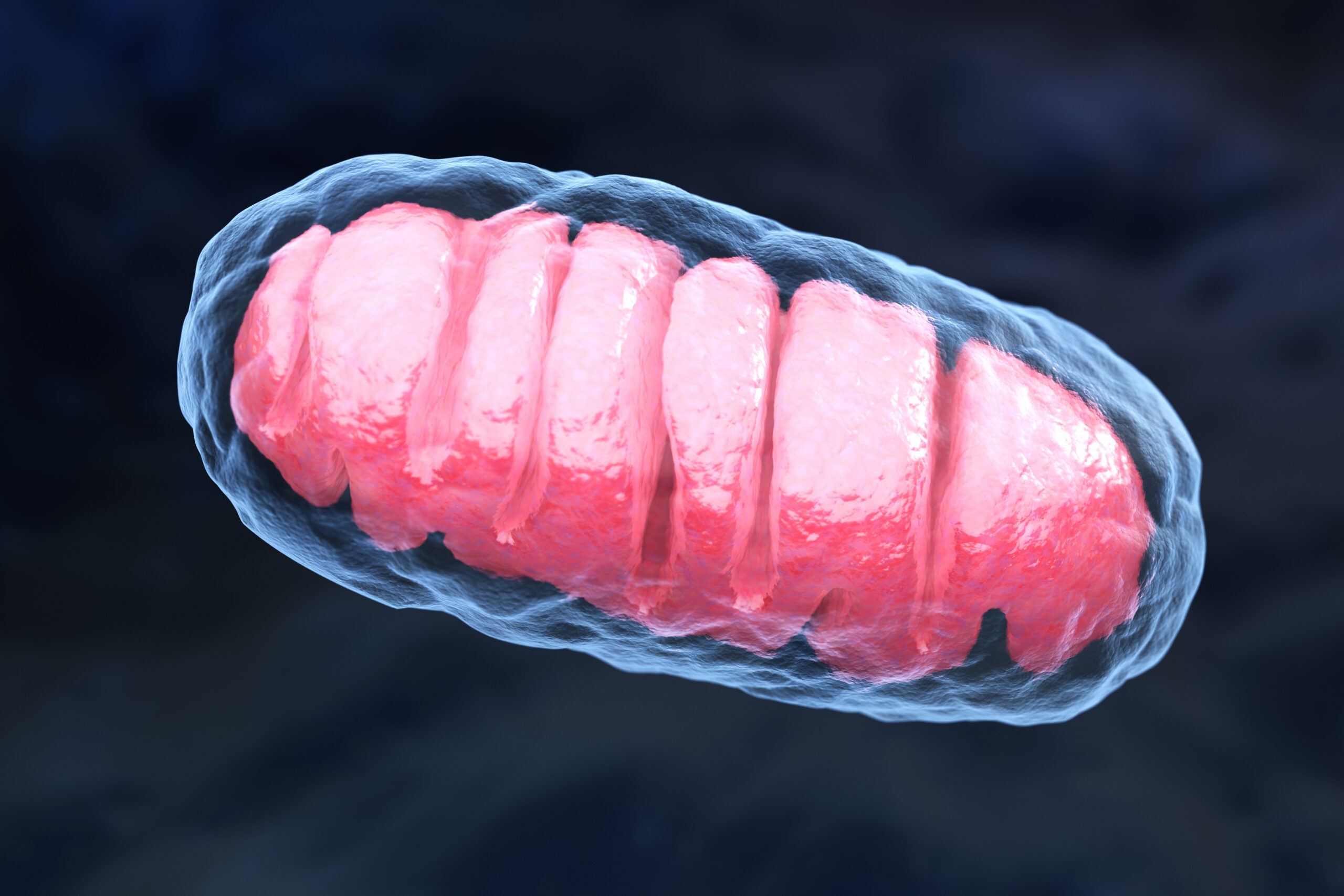
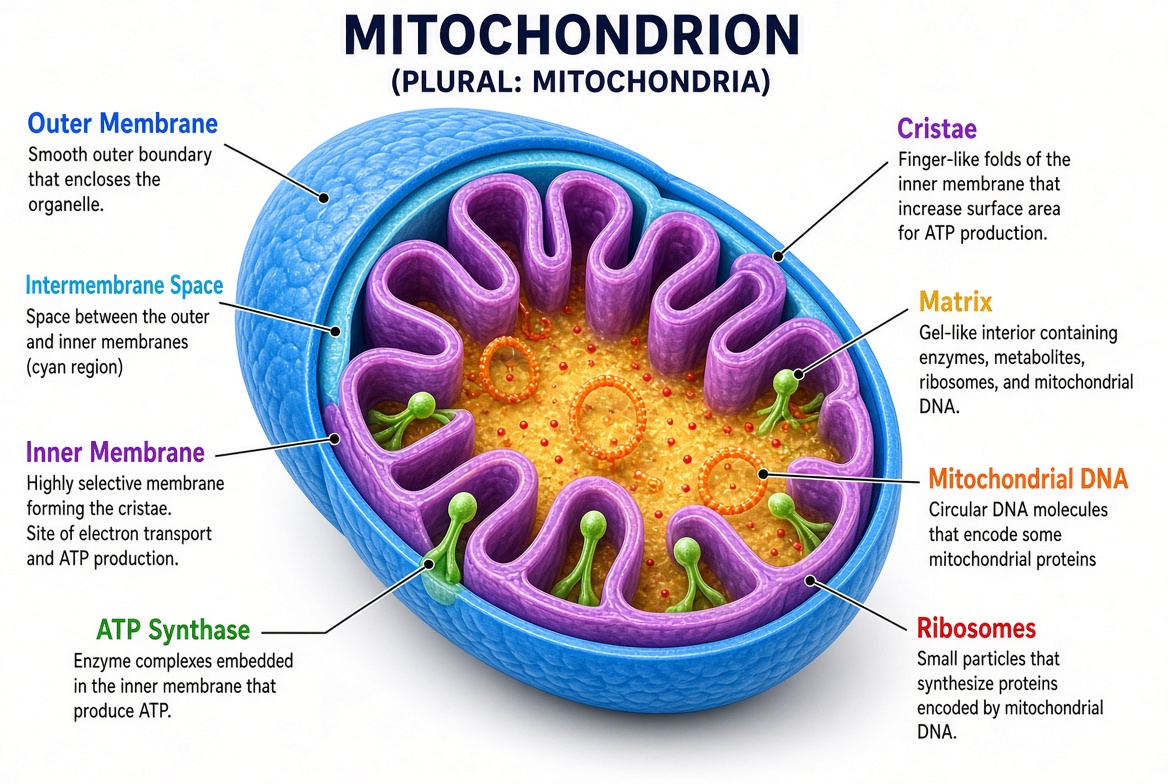
Mitochondria are tiny structures inside nearly every cell that turn food and oxygen into ATP, the energy currency that powers muscles, nerves, the brain, and healing. The diagram below shows their key parts: an outer membrane, a folded inner membrane (the cristae) where the energy-producing machinery sits, ATP synthase enzymes that make ATP, and their own small circle of DNA.
How gut distress can lower energy
Mitochondrial dysfunction in the cells lining the gut is well documented in inflammatory bowel disease, where damaged mitochondria and inflammation appear to drive each other (Novak & Mollen, 2015). The evidence in IBS is thinner. Body-wide, chronic diarrhea and malabsorption can deplete nutrients that mitochondria need, including iron, vitamin B12, magnesium, and vitamin D. Fatigue is common with chronic digestive conditions and usually has several causes at once. Think of the pathway below as a set of plausible, connected drains rather than a single proven cause.
Ongoing gut distress
IBS, IBD, chronic diarrhea, or frequent digestive upset
Three drains
Poor absorption of iron, B12, magnesium, and vitamin D; ongoing inflammation; disrupted sleep
Mitochondrial strain
Cells have fewer raw materials and more stress, so energy production falls
Low energy and vitality
Fatigue, brain fog, weakness, low mood, slower healing
Where support can help along the pathway
At the gut
Whole foods, trigger tracking, and medical care for the underlying condition.
At absorption
Lab testing and replacement of iron, B12, magnesium, and vitamin D as directed by your doctor.
At inflammation
Fewer ultra-processed foods, plant variety, sleep, and nervous-system calming.
At the mitochondria
Light (sunlight and, emerging evidence, red and near-infrared light), movement, and rest.
Red light, near-infrared light, and photobiomodulation
Red and near-infrared light, used at low power, is called photobiomodulation. The light is absorbed mainly by cytochrome c oxidase, an enzyme in the mitochondrial energy chain, which can increase ATP production and influence oxidative stress and inflammation (Hamblin, 2017). The mechanism is well described, and the strongest clinical evidence is in areas outside the gut, such as preventing mouth sores during cancer treatment. Gut-specific research is early: in mice, light applied to the abdomen shifted the gut microbiome, and human studies so far are small pilots (Bicknell et al., 2019).
Light-therapy safety
- Protect your eyes, especially from near-infrared light, which is invisible and does not trigger a blink.
- Check with your pharmacist if you take photosensitizing medications.
- Do not use over a known or suspected cancer, and avoid direct abdominal use during pregnancy.
- Consumer devices vary widely in power and wavelength. Talk with your provider before starting.
Sunlight, the original full-spectrum light, is covered in its own section below.
Informational only; not medical advice. Talk with your doctor and pharmacist before changing your diet, supplements, or medications. Emergency: call 911. Crisis: call or text 988.
Section 12
Vitamin B12, Intrinsic Factor, and Pernicious Anemia
When a struggling gut cannot absorb a vital nutrient
Vitamin B12 is essential for making red blood cells, protecting nerves, and supporting brain function. Absorbing it is a multistep process: stomach acid releases B12 from food, a protein made by the stomach called intrinsic factor binds it, and the pair is absorbed at the end of the small intestine (the ileum). A break at any step can lead to deficiency (Stabler, 2013).
Gut cannot absorb B12
Missing intrinsic factor, low stomach acid, damaged lower small intestine, or bacterial overgrowth
B12 deficiency
Blood and tissue levels fall over months to years
Anemia and nerve effects
Fewer healthy red blood cells carry oxygen; nerves and brain are affected
Low energy and more
Fatigue, weakness, brain fog, low mood, numbness or tingling
Gut conditions that impair B12 absorption
Pernicious anemia
An autoimmune condition in which the immune system attacks intrinsic factor or the stomach cells that make it. Pernicious anemia causes B12 deficiency, which in turn leads to anemia and nerve symptoms (Stabler, 2013).
Low stomach acid
Atrophic gastritis, H. pylori infection, and long-term acid-reducing medications (proton pump inhibitors) reduce B12 release from food. The diabetes medication metformin also lowers absorption (Stabler, 2013).
Small-intestine conditions
Crohn’s disease affecting the ileum, surgical removal of the ileum, celiac disease, and gastric bypass surgery. In small intestinal bacterial overgrowth, bacteria can consume B12 before the body absorbs it (Stabler, 2013).
How B12 is replaced when the gut cannot absorb it
Because a compromised gut may absorb little B12 from food or standard supplements, injections are the traditional treatment for pernicious anemia. Clinical guidelines recommend intramuscular B12 for pernicious anemia, with more frequent dosing when nerve symptoms are present (Devalia et al., 2014). The Pernicious Anaemia Society, a patient-advocacy organization, also advocates injection-based treatment. Subcutaneous injection is used as well.
A small portion of a high oral dose, roughly 1%, is absorbed by passive diffusion, which does not require intrinsic factor. A Cochrane review found that high-dose oral B12 raised blood levels about as well as intramuscular injections over the short term, but the evidence was low quality (Wang et al., 2018). The route of treatment is a decision for your physician, and injections are generally preferred when absorption is severely impaired or nerve symptoms are present.
Testing tips to discuss with your doctor
- Serum B12 can look normal even when tissue levels are low. Methylmalonic acid (MMA) and homocysteine tests give a fuller picture, and intrinsic factor antibodies help diagnose pernicious anemia (Stabler, 2013).
- High folate intake can correct the anemia while nerve damage from B12 deficiency continues, so both should be checked together (Stabler, 2013).
B12 deficiency can look like a mental health problem
Fatigue, depression, irritability, memory problems, and brain fog can all stem from low B12. If you have a digestive condition and these symptoms, ask your doctor about checking your B12 status.
Informational only; not medical advice. Talk with your doctor and pharmacist before changing your diet, supplements, or medications. Emergency: call 911. Crisis: call or text 988.
Section 13
Sunlight and Vitamin D
Light for your rhythms, your bones, your immune system, and your gut

Sunlight does two different jobs. Light entering the eyes sets the body’s circadian clock (covered in the sleep section). Ultraviolet B light on the skin makes vitamin D, which supports bones, muscles, immune function, and the gut barrier.
Signs of vitamin D deficiency
Deficiency is common and often causes no obvious symptoms. When symptoms do appear, they can include fatigue, bone pain or tenderness, muscle weakness or aches, and frequent infections; low vitamin D has also been associated with low mood (Holick, 2007). The only way to know your level is a 25-hydroxyvitamin D [25(OH)D] blood test ordered by your provider (Holick, 2007).
The gut connection
Vitamin D is fat-soluble, so fat malabsorption and chronic diarrhea can reduce how much is absorbed from food and standard supplements. Low vitamin D is common in inflammatory bowel disease, and the vitamin D receptor helps maintain the tight junctions of the gut lining and regulate gut immunity (Fletcher et al., 2019).
Calcifediol: a faster-acting form to ask about
Calcifediol (25-hydroxyvitamin D3) is the form of vitamin D the liver normally makes from standard vitamin D3 (cholecalciferol). Because it skips that liver step and is more water-soluble, calcifediol raises blood levels faster and more predictably, is roughly two to three times more potent per microgram, and is absorbed better in people with fat malabsorption (Quesada-Gomez & Bouillon, 2018). A randomized trial in postmenopausal women with vitamin D deficiency found calcifediol raised blood levels faster and more effectively than cholecalciferol (Pérez-Castrillón et al., 2021).
Availability and safety
- In the United States, the FDA-approved calcifediol product is an extended-release prescription for secondary hyperparathyroidism in chronic kidney disease. Immediate-release calcifediol is a prescription product in several European countries. Ask your physician whether it is appropriate for you; it is not a self-start supplement.
- Because calcifediol is more potent, overcorrection and high blood calcium are real risks, so treatment requires lab monitoring.
- Use extra caution with a history of kidney stones, which also connects to the oxalate discussion above.
Sun-smart habits
Brief, regular sun exposure helps, but sunburn raises skin cancer risk. Avoid burning, protect your skin during long or midday exposure, and talk with your provider about how much sun is safe for your skin type, medications, and medical history.
Informational only; not medical advice. Talk with your doctor and pharmacist before changing your diet, supplements, or medications. Emergency: call 911. Crisis: call or text 988.
Section 14
Blood Sugar, Night Lows, and Sleep
Steady glucose for steady energy, mood, and rest
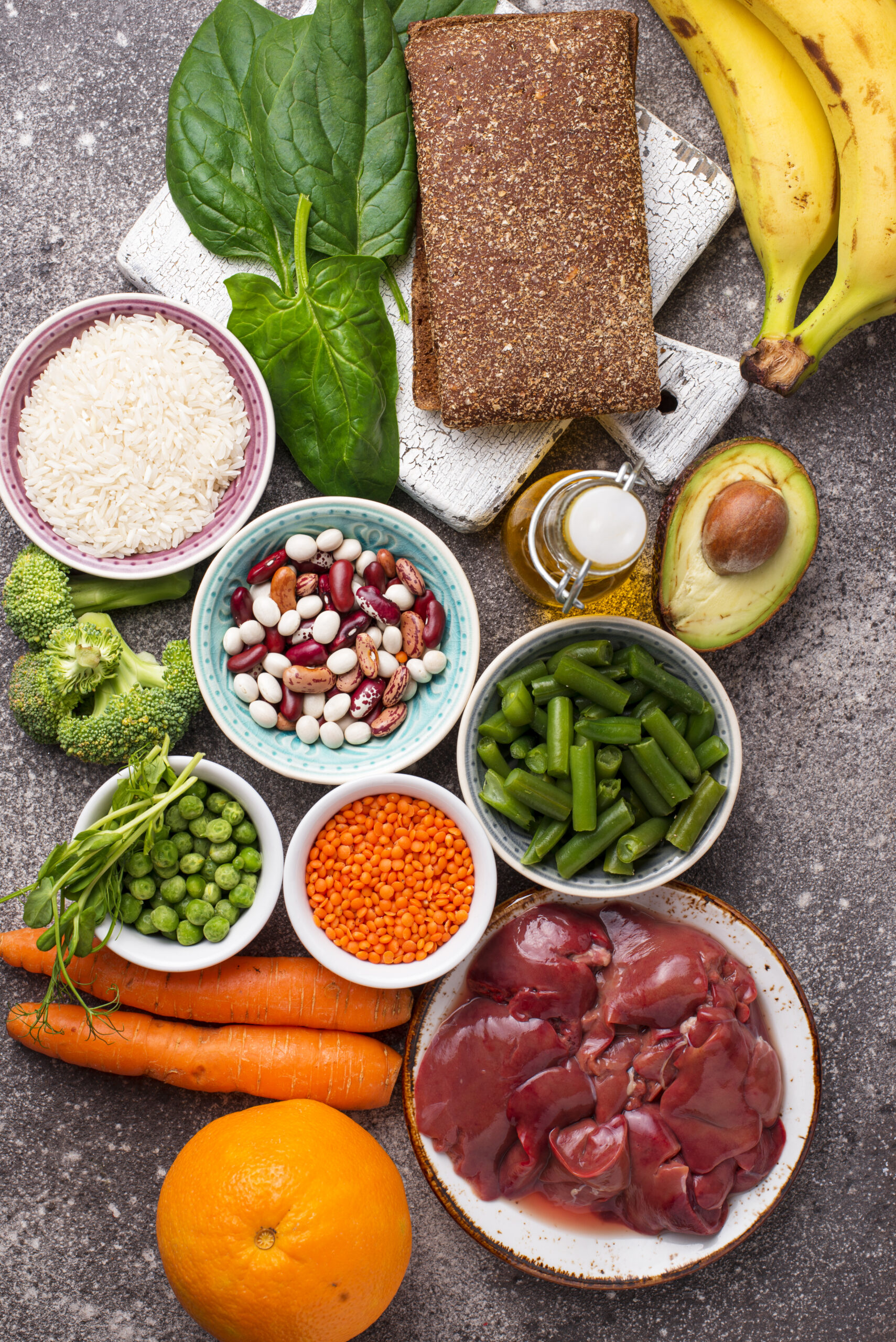
How low blood sugar at night disrupts sleep
When blood sugar drops during the night, the body releases adrenaline, cortisol, and glucagon to bring it back up. That emergency response can jolt a person awake, often between about 2 and 4 AM, with a racing heart, sweating, vivid dreams or nightmares, anxiety, or trouble falling back asleep, and sometimes a morning headache or a hungover feeling (Seaquist et al., 2013). Nighttime lows are best documented in people with diabetes. They are less studied in people without diabetes, but some people do experience them and should be evaluated by a provider.
Diet patterns matter for sleep more broadly. In a large study of postmenopausal women, diets with a higher glycemic index, meaning more rapidly digested refined carbohydrates, were associated with higher odds of developing insomnia (Gangwisch et al., 2020).
A protective bedtime snack
For people prone to nighttime lows, a small bedtime snack built around high-quality protein and healthy fat, with a modest serving of complex carbohydrate, can release fuel slowly through the night and help protect sleep. Keep it small; a large meal within 2 to 3 hours of bed can worsen reflux.
Apple and nut butter
Fiber-rich fruit with protein and fat
Egg and whole-grain crackers
A hard-boiled egg with a few crackers
Nuts and a little oatmeal
A small handful of nuts with a few spoonfuls of oats
Hummus and vegetables
Protein and fiber from well-cooked chickpeas
Who should follow their own care plan
If you have diabetes and take insulin or a sulfonylurea medication, follow your care team’s plan for bedtime snacks and nighttime lows. Yogurt and aged cheese are common snack choices but are fermented and higher in histamine, so skip them during a fermented-food pause. Alcohol can cause delayed nighttime lows by suppressing the liver’s glucose release (Seaquist et al., 2013).
Daytime habits for steady glucose
- Eat in order: eating vegetables and protein before carbohydrates lowered the after-meal rise in glucose and insulin (Shukla et al., 2015).
- Walk after meals: light walking after eating blunts glucose spikes more than sitting (Buffey et al., 2022).
- Fiber and variety: the 30-plants goal supports steadier glucose.
- Personal responses: people’s glucose responses to the same food vary widely, partly because of differences in their gut microbiome (Zeevi et al., 2015). Your food log reveals your own patterns.
If you use a continuous glucose monitor
You can record readings in your Food & Vitality Log. Lying on the sensor can cause false low readings overnight, called compression lows, so confirm a suspected low before acting on it, and review patterns with your provider.
Informational only; not medical advice. Talk with your doctor and pharmacist before changing your diet, supplements, or medications. Emergency: call 911. Crisis: call or text 988.
Section 15
The Healing Power of Sleep
Why sleep is when the body repairs, clears, and resets
Sleep is not simply rest; it is one of the body’s most active repair periods.
Tissue repair
Growth hormone, which drives cell repair and renewal, is released most strongly during deep slow-wave sleep (Van Cauter et al., 2000). The gut lining renews itself every few days and depends on this repair window.
Brain clearance
During sleep, the brain’s glymphatic system clears metabolic waste much more efficiently than during waking hours (Xie et al., 2013).
Calmer inflammation
A meta-analysis found that sleep disturbance and long sleep duration are associated with higher inflammatory markers, including C-reactive protein and interleukin-6 (Irwin et al., 2016).
Gut protection
In fruit flies and mice, severe sleep loss caused reactive oxygen species to build up in the gut, which was fatal; neutralizing them in the gut prevented the deaths (Vaccaro et al., 2020). This is animal research, but it shows how closely sleep and gut health are linked.
Rest-and-repair state
Deep non-REM sleep shifts the nervous system toward parasympathetic, vagal dominance, the same rest-and-digest state that somatic practices aim to strengthen (Breit et al., 2018).
Daily rhythms
The gut microbiome itself follows a daily rhythm that is tied to the body’s clock and meal timing; disrupting the clock disrupts the microbes (Thaiss et al., 2014).
The sleep–gut loop
In women with IBS, poorer sleep predicted worse abdominal pain, anxiety, and fatigue the next day (Buchanan et al., 2014). Many people also find that digestive discomfort makes sleep harder, which can keep the cycle going. Improving sleep is one of the most effective ways to interrupt the loop.
Poor sleep
Shorter or broken sleep
More inflammation and stress
Higher inflammatory markers; less repair
Gut and mood symptoms
Next-day pain, anxiety, and fatigue
Discomfort at night
Symptoms make restful sleep harder
Plain-language summary to share
While you sleep, your body repairs your gut lining, cleans your brain, and calms inflammation. Protecting your sleep is protecting your healing.
Informational only; not medical advice. Talk with your doctor and pharmacist before changing your diet, supplements, or medications. Emergency: call 911. Crisis: call or text 988.
Section 16
Your Sleep Toolkit: Light, Temperature, Rhythm, and Nutrition
Evidence-informed habits that protect deep, restorative sleep
Evening light: dim and warm
Light in the evening tells the brain it is still daytime and suppresses melatonin. An international expert consensus recommends keeping evening light dim for at least 3 hours before bedtime and keeping the bedroom as dark as possible during sleep, while getting plenty of bright light during the day (Brown et al., 2022). The timing is tied to your own bedtime rather than a set clock time; for a 10 PM bedtime, that means dimming lights by about 7 PM.
- Use low, warm-yellow lamps in the evening instead of bright overhead lights.
- Turn off screens 1 to 2 hours before bed. Screens add both light and mental stimulation; scrolling, messages, and news keep the nervous system alert.
- Blue-light-blocking glasses have mixed evidence. A Cochrane review found little clear benefit for sleep (Singh et al., 2023), so overall dimness matters more than filtering one color.
A cool bedroom and a warm bath
The body’s core temperature naturally drops as sleep begins, and a room that is too warm interferes with deep sleep (Okamoto-Mizuno & Mizuno, 2012). A comfortable, slightly cool bedroom, often cited as about 60 to 67°F, supports this drop. A warm bath or shower 1 to 2 hours before bed can help you fall asleep faster by drawing heat to the skin, which then helps the core cool (Haghayegh et al., 2019).
Anchor your circadian rhythm
- Wake at the same time every day, including weekends. A consistent wake time is the anchor that the rest of the body clock sets from.
- Get outdoor light in the morning, ideally within about an hour of waking. The body clock is set through the eyes, by light-sensitive cells in the retina, so be outside with your eyes uncovered, but never look directly at the sun. Aim for roughly 10 to 30 minutes, and longer on cloudy days. Even overcast daylight is far brighter than indoor lighting (Brown et al., 2022).
- Skin exposure is a separate benefit: sunlight on the skin is for vitamin D, not for setting the clock. See the vitamin D section for sun-safety guidance.
Nutrition, amino acids, and minerals for sleep
Steady blood sugar, a whole-foods diet, and adequate minerals all support sleep. For more on how nutrients affect the brain, visit our Nutrition for Mental Health page. Several natural substances have been studied for sleep. They are examples to discuss with your providers, not recommendations to start on your own.
IMPORTANT: Check with your doctor AND your pharmacist before taking any of these
“Natural” does not mean safe with every medication. Supplements can interact with prescription drugs, other supplements, and medical conditions. Bring a complete list of everything you take, including over-the-counter products, to both your doctor and your pharmacist before starting anything new.
Magnesium
A mineral involved in nerve and muscle relaxation. In a small randomized trial in older adults with insomnia, magnesium improved several measures of sleep (Abbasi et al., 2012). Forms such as magnesium glycinate are commonly used.
Cautions: kidney disease; interactions with certain antibiotics (quinolones and tetracyclines), bisphosphonates for bone health, and thyroid medication, which need to be spaced apart.
L-theanine
An amino acid found in tea leaves. In a 4-week randomized trial in healthy adults, L-theanine improved stress-related symptoms and sleep quality (Hidese et al., 2019).
Cautions: it may lower blood pressure, so ask about interactions with blood pressure medications, sedatives, and stimulants. Safety data in pregnancy are limited.
Glycine
An amino acid that may help lower core body temperature at bedtime. Small human studies found it improved subjective sleep quality and next-day alertness (Bannai & Kawai, 2012).
Cautions: limited long-term data; ask before use with antipsychotic medications or during pregnancy.
Tryptophan
An amino acid the body uses to make serotonin and melatonin. Evidence for sleep is modest.
Serious caution: combining tryptophan or 5-HTP with antidepressants (SSRIs, SNRIs, MAOIs), triptans, tramadol, or other serotonin-affecting drugs can cause serotonin syndrome, a potentially dangerous reaction (Boyer & Shannon, 2005). Many people in counseling take these medications. Never combine them without your prescriber’s approval.
When sleep problems persist
For chronic insomnia, cognitive behavioral therapy for insomnia (CBT-I) is the recommended first-line treatment (Qaseem et al., 2016). Snoring, pauses in breathing that others notice, or waking unrefreshed despite enough hours can signal sleep apnea, which deserves a medical evaluation and sleep study.
Informational only; not medical advice. Talk with your doctor and pharmacist before changing your diet, supplements, or medications. Emergency: call 911. Crisis: call or text 988.
Section 17
Nasal Breathing, Humming, and Nitric Oxide
Simple practices that support airways, oxygen, and a calm nervous system
Nitric oxide is a signaling molecule that relaxes blood vessels, helps defend the airways against microbes, and supports healthy blood flow. The sinuses produce large amounts of nitric oxide, and breathing in through the nose carries it down into the lungs. In a human study, inhaling this nasally produced nitric oxide improved how efficiently the lungs took up oxygen (Lundberg et al., 1996).
Humming dramatically increases the nitric oxide released from the sinuses: in one study, nasal nitric oxide rose about 15-fold during humming compared with quiet exhaling, because the vibration moves air between the sinuses and the nasal passages (Weitzberg & Lundberg, 2002). Chanting and toning work on the same principle. These benefits act mainly in the airways and lungs.
Slow breathing and the nervous system
Slow, paced breathing, around 6 breaths per minute, is associated with increased heart rate variability, greater relaxation, and reduced anxiety, reflecting stronger vagal, rest-and-digest activity (Zaccaro et al., 2018). Long, humming exhales combine both effects: more nasal nitric oxide and a slower, calmer breath.
Humming breath practice
- Sit comfortably and let your shoulders soften.
- Breathe in slowly through your nose for a count of about 4.
- With lips gently closed, hum on a long, slow exhale for a count of about 6 to 8. Feel the vibration in your face, chest, and throat.
- Repeat for 3 to 5 minutes, aiming for about 5 to 6 breaths per minute.
- Notice any shift in your body: warmth, heaviness, a softer belly, a slower heart.
Feed your nitric oxide from the inside, too
Leafy greens and beets are rich in dietary nitrate, which bacteria on the tongue convert into nitrite and then nitric oxide. In healthy volunteers, using an antiseptic mouthwash for a week reduced this conversion and raised blood pressure (Kapil et al., 2013). Caring for the oral microbiome is part of caring for the gut microbiome; ask your dentist whether daily antiseptic mouthwash is necessary for you.
Safety notes
- If you cannot breathe comfortably through your nose because of congestion, a deviated septum, or other blockage, talk with your provider.
- Mouth taping at night has limited evidence and can be unsafe with nasal obstruction or untreated sleep apnea. Do not try it without medical clearance.
- If slow breathing ever makes you dizzy or anxious, return to normal breathing and shorten the practice.
Informational only; not medical advice. Talk with your doctor and pharmacist before changing your diet, supplements, or medications. Emergency: call 911. Crisis: call or text 988.
Section 18
Self-Compassion and Compassion for Others
Kindness as a health practice for body and mind

Self-compassion means treating yourself with the same kindness, understanding, and patience you would offer someone you love, especially during difficulty. It is not self-indulgence or lowering standards; it is a steadier foundation for change.
What the research shows
- A meta-analysis found that self-compassion is consistently and substantially associated with greater psychological well-being (Zessin et al., 2015).
- An analysis pooling 15 samples found that self-compassion is linked to more health-promoting behaviors, such as better eating, exercise, sleep, and stress management, partly through more positive and less negative emotion (Sirois et al., 2015).
- In an experimental study, a brief self-compassion exercise lowered heart rate and increased heart rate variability, a marker of vagal, rest-and-digest activity, while self-critical rumination did the opposite (Kirschner et al., 2019).
- Self-compassion is associated with healthier body image and lower disordered-eating risk, which makes it an important companion to any food or tracking work (Braun et al., 2016).
Compassion for others
Strong social connections are associated with significantly better survival; a large meta-analysis found that people with stronger social relationships had about 50% greater likelihood of survival over the study periods (Holt-Lunstad et al., 2010). In a randomized study, practicing loving-kindness meditation increased positive emotions and social connection, and these gains were linked to improvements in vagal tone (Kok et al., 2013).
How kindness connects to the gut
A harsh inner critic is a form of chronic threat. It keeps the stress response switched on, which affects digestion, gut movement, and the gut barrier. Self-compassion helps turn that alarm down. It also changes how healing work feels: the food log, reintroduction trials, and new habits become acts of curiosity and care rather than tests you can fail.
A three-minute self-compassion practice
- Notice: place a hand on your heart or belly and name what is happening: “This is a hard moment. My body is uncomfortable.”
- Remember you are not alone: “Many people struggle with their bodies and their health. I am not the only one.”
- Offer kindness: ask, “What would I say to a dear friend feeling this way?” Then say it to yourself, slowly, while breathing out.
- Feel it: let the warmth of your hand and the slower breath settle into your body for a few breaths.
Informational only; not medical advice. Talk with your doctor and pharmacist before changing your diet, supplements, or medications. Emergency: call 911. Crisis: call or text 988.
Section 19
For Clinicians, Interns, and Therapists
Scope, screening, referral, and scripts for sharing this material well
This section supports counselors, interns, and therapists in sharing this material efficiently and within scope. Tap each heading to expand it.
1. Scope of practice
- Counselors and interns provide psychoeducation, behavioral coaching, and somatic regulation skills. We do not diagnose or treat gastrointestinal, endocrine, or nutritional conditions, and we do not recommend specific supplements or doses.
- Frame every nutrition, supplement, and light-therapy topic as information to take to the client’s physician, pharmacist, or registered dietitian.
- With written authorization, coordinate with medical providers and document referrals, client education provided, and the client’s response.
- Interns review gut-health psychoeducation plans in supervision before introducing tracking or elimination concepts.
2. Fast-share guide: what to show the client
| Client concern | Start with | Key message |
|---|---|---|
| Anxiety with stomach upset | Section 1 map; Section 17 humming breath | Your gut and brain talk constantly; calming one calms the other. |
| Low energy, brain fog | Section 11 pathway; Section 12 B12 | Ask your doctor about labs; gut distress can drain nutrients that power your cells. |
| Poor sleep | Sections 15 and 16 | Sleep is repair time; light, temperature, and rhythm are powerful levers. |
| Suspected food reactions | Sections 4, 5, and 6; the log | Track first, then make targeted, short, supervised changes. |
| Harsh self-talk about body or food | Section 18 | Kindness lowers the stress response and supports follow-through. |
3. Screen before recommending tracking or elimination
Detailed food tracking and elimination diets can trigger or worsen restrictive eating. Before introducing either, screen for eating-disorder history and current risk. The SCOFF questionnaire is a brief five-question screen widely used in primary care settings (Morgan et al., 1999). If screening is positive, or if the client has a history of an eating disorder, use symptom-only tracking, avoid elimination framing, and coordinate with the client’s medical team and an eating-disorder-informed dietitian. Self-compassion work is protective and can be introduced first (Braun et al., 2016).
4. Medical red flags: refer promptly
| What the client reports | Why it matters | Action |
|---|---|---|
| Breathing trouble, throat or tongue swelling after eating | Possible anaphylaxis | Call 911; epinephrine if prescribed (Shaker et al., 2020) |
| Blood in stool, unexplained weight loss, persistent vomiting, severe pain, trouble swallowing | Possible serious GI disease | Same-week medical evaluation |
| New palpitations, chest pain, fainting | Possible cardiac cause | Prompt medical evaluation; do not attribute to food or anxiety |
| Dizziness on standing, rapid heart rate when upright | Possible orthostatic intolerance or POTS (Vernino et al., 2021) | Medical evaluation |
| Snoring, witnessed breathing pauses, unrefreshing sleep | Possible sleep apnea | Medical referral; STOP-Bang is a quick screen (Chung et al., 2016) |
5. When it looks psychiatric but may be partly medical
- B12 deficiency can mimic or worsen depression, fatigue, irritability, memory problems, and brain fog, and can cause numbness or tingling (Stabler, 2013). With a GI history, acid-reducing medication, metformin, or bariatric surgery, suggest the client ask their doctor about B12 testing.
- Nocturnal hypoglycemia can present as abrupt 2 to 4 AM awakenings with racing heart, sweating, and fear, resembling nocturnal panic (Seaquist et al., 2013). Ask about meal timing, alcohol, and diabetes medications, and suggest medical evaluation before treating these episodes as anxiety alone.
- Vitamin D deficiency, anemia, thyroid disorders, and sleep apnea all contribute to fatigue and low mood and are easily checked by a physician.
6. Supplement interaction alert
Many counseling clients take SSRIs, SNRIs, or other serotonergic medications. Tryptophan and 5-HTP combined with these drugs can cause serotonin syndrome (Boyer & Shannon, 2005). Every supplement conversation ends with the same instruction: review it with your prescriber and pharmacist before starting. Never suggest a dose.
7. Client-ready scripts
- Gut–brain: “Your stomach and your brain are connected by a nerve that carries messages both ways. When we calm your nervous system, your gut often settles too, and when your gut settles, your mood often follows.”
- Tracking: “We’re not looking for perfect days. We’re looking for patterns you can bring to your doctor. Curiosity, not judgment.”
- Elimination: “The goal is the widest variety of foods your body handles well, not the shortest list. Let’s take one step at a time, with your doctor or dietitian.”
- Sleep: “Sleep is when your body repairs your gut lining and calms inflammation. Protecting your sleep is part of your treatment.”
- Supplements: “This is worth asking your doctor and pharmacist about, because even natural products can interact with medications.”
- Self-compassion: “Being hard on yourself keeps your body in alarm mode. Kindness is not soft; it’s physiology.”
8. Using the Food & Vitality Log in session
- Review logs collaboratively; look for timing relationships across days rather than single events.
- Highlight what is going well, such as tolerated foods, better sleep nights, and moments of calm, as much as possible triggers.
- Help the client prepare questions for their medical team from the Weekly Review page; do not draw dietary conclusions in session.
- Pair log review with a brief regulation practice (humming breath or the self-compassion practice) so the work is embodied, not only analytical.
- For insomnia, behavioral strategies drawn from CBT-I (Qaseem et al., 2016), such as a consistent wake time and stimulus control, fit within counseling scope when the counselor is trained in them.
Informational only; not medical advice. Talk with your doctor and pharmacist before changing your diet, supplements, or medications. Emergency: call 911. Crisis: call or text 988.
Section 20
Important Information and Disclaimer
Please read before using any information on this page
- Informational and educational only. This page is for general education. It is not medical advice, diagnosis, or treatment.
- Bring this information to your medical providers. Talk with your physician, gastroenterologist, registered dietitian, pharmacist, or other qualified health professional for guidance before changing your diet, supplements, medications, light exposure, or exercise.
- Check every supplement for interactions. Natural substances can interact with medications and medical conditions. Review everything you take with your doctor and pharmacist.
- Not a substitute for care. This information does not replace medical or mental health treatment, and reading it does not create a counseling or therapeutic relationship with Orchard Human Services, Inc. or any of its clinicians.
- Scope. Counselors and interns provide psychoeducation and somatic regulation skills. They do not diagnose or treat medical, gastrointestinal, or nutritional conditions.
- Research changes. The research summarized here reflects published studies at the time of writing. Some findings come from animal or small human studies and are labeled as emerging.
- Seek medical care promptly for blood in the stool, unexplained weight loss, persistent vomiting, severe abdominal pain, trouble swallowing, chest pain, fainting, or new or persistent heart racing.
- Emergencies: call 911 for any trouble breathing, throat or tongue swelling, or other emergency. For a mental health crisis, call or text 988, the Suicide & Crisis Lifeline.
Informational only; not medical advice. Talk with your doctor and pharmacist before changing your diet, supplements, or medications. Emergency: call 911. Crisis: call or text 988.
References
Abbasi, B., Kimiagar, M., Sadeghniiat, K., Shirazi, M. M., Hedayati, M., & Rashidkhani, B. (2012). The effect of magnesium supplementation on primary insomnia in elderly: A double-blind placebo-controlled clinical trial. Journal of Research in Medical Sciences, 17(12), 1161–1169. https://pubmed.ncbi.nlm.nih.gov/23853635/
Adamcová, A., Laursen, K. H., & Ballin, N. Z. (2021). Lectin activity in commonly consumed plant-based foods: Calling for method harmonization and risk assessment. Foods, 10(11), 2796. https://doi.org/10.3390/foods10112796
Albert, B. B., Derraik, J. G. B., Cameron-Smith, D., Hofman, P. L., Tumanov, S., Villas-Boas, S. G., Garg, M. L., & Cutfield, W. S. (2015). Fish oil supplements in New Zealand are highly oxidised and do not meet label content of n-3 PUFA. Scientific Reports, 5, 7928. https://doi.org/10.1038/srep07928
Bannai, M., & Kawai, N. (2012). New therapeutic strategy for amino acid medicine: Glycine improves the quality of sleep. Journal of Pharmacological Sciences, 118(2), 145–148. https://doi.org/10.1254/jphs.11R04FM
Beauchamp, G. K., Keast, R. S. J., Morel, D., Lin, J., Pika, J., Han, Q., Lee, C.-H., Smith, A. B., & Breslin, P. A. S. (2005). Ibuprofen-like activity in extra-virgin olive oil. Nature, 437(7055), 45–46. https://doi.org/10.1038/437045a
Benbrook, C. M., Davis, D. R., Heins, B. J., Latif, M. A., Leifert, C., Peterman, L., Butler, G., Faergeman, O., Abel-Caines, S., & Baranski, M. (2018). Enhancing the fatty acid profile of milk through forage-based rations, with nutrition modeling of diet outcomes. Food Science & Nutrition, 6(3), 681–700. https://doi.org/10.1002/fsn3.610
Bicknell, B., Liebert, A., Johnstone, D., & Kiat, H. (2019). Photobiomodulation of the microbiome: Implications for metabolic and inflammatory diseases. Lasers in Medical Science, 34(2), 317–327. https://doi.org/10.1007/s10103-018-2594-6
Boyer, E. W., & Shannon, M. (2005). The serotonin syndrome. The New England Journal of Medicine, 352(11), 1112–1120. https://doi.org/10.1056/NEJMra041867
Braun, T. D., Park, C. L., & Gorin, A. (2016). Self-compassion, body image, and disordered eating: A review of the literature. Body Image, 17, 117–131. https://doi.org/10.1016/j.bodyim.2016.03.003
Breit, S., Kupferberg, A., Rogler, G., & Hasler, G. (2018). Vagus nerve as modulator of the brain–gut axis in psychiatric and inflammatory disorders. Frontiers in Psychiatry, 9, 44. https://doi.org/10.3389/fpsyt.2018.00044
Brown, T. M., Brainard, G. C., Cajochen, C., Czeisler, C. A., Hanifin, J. P., Lockley, S. W., Lucas, R. J., Münch, M., O’Hagan, J. B., Peirson, S. N., Price, L. L. A., Roenneberg, T., Schlangen, L. J. M., Skene, D. J., Spitschan, M., Vetter, C., Zee, P. C., & Wright, K. P., Jr. (2022). Recommendations for daytime, evening, and nighttime indoor light exposure to best support physiology, sleep, and wakefulness in healthy adults. PLOS Biology, 20(3), e3001571. https://doi.org/10.1371/journal.pbio.3001571
Buchanan, D. T., Cain, K., Heitkemper, M., Burr, R., Vitiello, M. V., Zia, J., & Jarrett, M. (2014). Sleep measures predict next-day symptoms in women with irritable bowel syndrome. Journal of Clinical Sleep Medicine, 10(9), 1003–1009. https://doi.org/10.5664/jcsm.4038
Buffey, A. J., Herring, M. P., Langley, C. K., Donnelly, A. E., & Carson, B. P. (2022). The acute effects of interrupting prolonged sitting time in adults with standing and light-intensity walking on biomarkers of cardiometabolic health in adults: A systematic review and meta-analysis. Sports Medicine, 52(8), 1765–1787. https://doi.org/10.1007/s40279-022-01649-4
Camilleri, M. (2019). Leaky gut: Mechanisms, measurement and clinical implications in humans. Gut, 68(8), 1516–1526. https://doi.org/10.1136/gutjnl-2019-318427
Chassaing, B., Compher, C., Bonhomme, B., Liu, Q., Tian, Y., Walters, W., Nessel, L., Delaroque, C., Hao, F., Gershuni, V., Chau, L., Ni, J., Bewtra, M., Albenberg, L., Bretin, A., McKeever, L., Ley, R. E., Patterson, A. D., Wu, G. D., … Lewis, J. D. (2022). Randomized controlled-feeding study of dietary emulsifier carboxymethylcellulose reveals detrimental impacts on the gut microbiota and metabolome. Gastroenterology, 162(3), 743–756. https://doi.org/10.1053/j.gastro.2021.11.006
Chassaing, B., Koren, O., Goodrich, J. K., Poole, A. C., Srinivasan, S., Ley, R. E., & Gewirtz, A. T. (2015). Dietary emulsifiers impact the mouse gut microbiota promoting colitis and metabolic syndrome. Nature, 519(7541), 92–96. https://doi.org/10.1038/nature14232
Chung, F., Abdullah, H. R., & Liao, P. (2016). STOP-Bang questionnaire: A practical approach to screen for obstructive sleep apnea. Chest, 149(3), 631–638. https://doi.org/10.1378/chest.15-0903
Cryan, J. F., O’Riordan, K. J., Cowan, C. S. M., Sandhu, K. V., Bastiaanssen, T. F. S., Boehme, M., Codagnone, M. G., Cussotto, S., Fulling, C., Golubeva, A. V., Guzzetta, K. E., Jaggar, M., Long-Smith, C. M., Lyte, J. M., Martin, J. A., Molinero-Perez, A., Moloney, G., Morelli, E., Morillas, E., … Dinan, T. G. (2019). The microbiota-gut-brain axis. Physiological Reviews, 99(4), 1877–2013. https://doi.org/10.1152/physrev.00018.2018
Depommier, C., Everard, A., Druart, C., Plovier, H., Van Hul, M., Vieira-Silva, S., Falony, G., Raes, J., Maiter, D., Delzenne, N. M., de Barsy, M., Loumaye, A., Hermans, M. P., Thissen, J.-P., de Vos, W. M., & Cani, P. D. (2019). Supplementation with Akkermansia muciniphila in overweight and obese human volunteers: A proof-of-concept exploratory study. Nature Medicine, 25(7), 1096–1103. https://doi.org/10.1038/s41591-019-0495-2
Devalia, V., Hamilton, M. S., Molloy, A. M., & British Committee for Standards in Haematology. (2014). Guidelines for the diagnosis and treatment of cobalamin and folate disorders. British Journal of Haematology, 166(4), 496–513. https://doi.org/10.1111/bjh.12959
Devkota, S., Wang, Y., Musch, M. W., Leone, V., Fehlner-Peach, H., Nadimpalli, A., Antonopoulos, D. A., Jabri, B., & Chang, E. B. (2012). Dietary-fat-induced taurocholic acid promotes pathobiont expansion and colitis in Il10−/− mice. Nature, 487(7405), 104–108. https://doi.org/10.1038/nature11225
Esposito, K., Nappo, F., Marfella, R., Giugliano, G., Giugliano, F., Ciotola, M., Quagliaro, L., Ceriello, A., & Giugliano, D. (2002). Inflammatory cytokine concentrations are acutely increased by hyperglycemia in humans: Role of oxidative stress. Circulation, 106(16), 2067–2072. https://doi.org/10.1161/01.cir.0000034509.14906.ae
Estruch, R., Ros, E., Salas-Salvadó, J., Covas, M.-I., Corella, D., Arós, F., Gómez-Gracia, E., Ruiz-Gutiérrez, V., Fiol, M., Lapetra, J., Lamuela-Raventos, R. M., Serra-Majem, L., Pintó, X., Basora, J., Muñoz, M. A., Sorlí, J. V., Martínez, J. A., Fitó, M., Gea, A., … Martínez-González, M. A. (2018). Primary prevention of cardiovascular disease with a Mediterranean diet supplemented with extra-virgin olive oil or nuts. The New England Journal of Medicine, 378(25), e34. https://doi.org/10.1056/NEJMoa1800389
Fave, M. (2025, August 29). The truth about sugar, diabetes and obesity – Chris Knobbe MD [Video]. YouTube. https://youtu.be/cFDf-7L-QQg
Fletcher, J., Cooper, S. C., Ghosh, S., & Hewison, M. (2019). The role of vitamin D in inflammatory bowel disease: Mechanism to management. Nutrients, 11(5), 1019. https://doi.org/10.3390/nu11051019
Fontbonne, A., Currie, A., Tounian, P., Picot, M.-C., Foulatier, O., Nedelcu, M., & Nocca, D. (2023). Prevalence of overweight and obesity in France: The 2020 Obepi-Roche study by the “Ligue Contre l’Obésité.” Journal of Clinical Medicine, 12(3), 925. https://doi.org/10.3390/jcm12030925
Gangwisch, J. E., Hale, L., St-Onge, M.-P., Choi, L., LeBlanc, E. S., Malaspina, D., Opler, M. G., Shadyab, A. H., Shikany, J. M., Snetselaar, L., Zaslavsky, O., & Lane, D. (2020). High glycemic index and glycemic load diets as risk factors for insomnia: Analyses from the Women’s Health Initiative. The American Journal of Clinical Nutrition, 111(2), 429–439. https://doi.org/10.1093/ajcn/nqz275
Haghayegh, S., Khoshnevis, S., Smolensky, M. H., Diller, K. R., & Castriotta, R. J. (2019). Before-bedtime passive body heating by warm shower or bath to improve sleep: A systematic review and meta-analysis. Sleep Medicine Reviews, 46, 124–135. https://doi.org/10.1016/j.smrv.2019.04.008
Hall, K. D., Ayuketah, A., Brychta, R., Cai, H., Cassimatis, T., Chen, K. Y., Chung, S. T., Costa, E., Courville, A., Darcey, V., Fletcher, L. A., Forde, C. G., Gharib, A. M., Guo, J., Howard, R., Joseph, P. V., McGehee, S., Ouwerkerk, R., Raisinger, K., … Zhou, M. (2019). Ultra-processed diets cause excess calorie intake and weight gain: An inpatient randomized controlled trial of ad libitum food intake. Cell Metabolism, 30(1), 67–77.e3. https://doi.org/10.1016/j.cmet.2019.05.008
Hamblin, M. R. (2017). Mechanisms and applications of the anti-inflammatory effects of photobiomodulation. AIMS Biophysics, 4(3), 337–361. https://doi.org/10.3934/biophy.2017.3.337
Hauguel-Moreau, M., Hergault, H., Cazabat, L., Pépin, M., Beauchet, A., Aïdan, V., Ouadahi, M., Josseran, L., Hage, M., Rodon, C., Dubourg, O., Massy, Z., & Mansencal, N. (2023). Prevalence of prediabetes and undiagnosed diabetes in a large urban middle-aged population: The CARVAR 92 cohort. Cardiovascular Diabetology, 22(1), 31. https://doi.org/10.1186/s12933-023-01761-3
Heyland, D., Muscedere, J., Wischmeyer, P. E., Cook, D., Jones, G., Albert, M., Elke, G., Berger, M. M., Day, A. G., & Canadian Critical Care Trials Group. (2013). A randomized trial of glutamine and antioxidants in critically ill patients. The New England Journal of Medicine, 368(16), 1489–1497. https://doi.org/10.1056/NEJMoa1212722
Hidese, S., Ogawa, S., Ota, M., Ishida, I., Yasukawa, Z., Ozeki, M., & Kunugi, H. (2019). Effects of L-theanine administration on stress-related symptoms and cognitive functions in healthy adults: A randomized controlled trial. Nutrients, 11(10), 2362. https://doi.org/10.3390/nu11102362
Holick, M. F. (2007). Vitamin D deficiency. The New England Journal of Medicine, 357(3), 266–281. https://doi.org/10.1056/NEJMra070553
Holt-Lunstad, J., Smith, T. B., & Layton, J. B. (2010). Social relationships and mortality risk: A meta-analytic review. PLOS Medicine, 7(7), e1000316. https://doi.org/10.1371/journal.pmed.1000316
Irwin, M. R., Olmstead, R., & Carroll, J. E. (2016). Sleep disturbance, sleep duration, and inflammation: A systematic review and meta-analysis of cohort studies and experimental sleep deprivation. Biological Psychiatry, 80(1), 40–52. https://doi.org/10.1016/j.biopsych.2015.05.014
Jacka, F. N., O’Neil, A., Opie, R., Itsiopoulos, C., Cotton, S., Mohebbi, M., Castle, D., Dash, S., Mihalopoulos, C., Chatterton, M. L., Brazionis, L., Dean, O. M., Hodge, A. M., & Berk, M. (2017). A randomised controlled trial of dietary improvement for adults with major depression (the ‘SMILES’ trial). BMC Medicine, 15(1), 23. https://doi.org/10.1186/s12916-017-0791-y
Jappe, U., & Vieths, S. (2010). Lupine, a source of new as well as hidden food allergens. Molecular Nutrition & Food Research, 54(1), 113–126. https://doi.org/10.1002/mnfr.200900365
Junker, Y., Zeissig, S., Kim, S.-J., Barisani, D., Wieser, H., Leffler, D. A., Zevallos, V., Libermann, T. A., Dillon, S., Freitag, T. L., Kelly, C. P., & Schuppan, D. (2012). Wheat amylase trypsin inhibitors drive intestinal inflammation via activation of toll-like receptor 4. Journal of Experimental Medicine, 209(13), 2395–2408. https://doi.org/10.1084/jem.20102660
Kapil, V., Haydar, S. M. A., Pearl, V., Lundberg, J. O., Weitzberg, E., & Ahluwalia, A. (2013). Physiological role for nitrate-reducing oral bacteria in blood pressure control. Free Radical Biology and Medicine, 55, 93–100. https://doi.org/10.1016/j.freeradbiomed.2012.11.013
Kelesidis, T., & Pothoulakis, C. (2012). Efficacy and safety of the probiotic Saccharomyces boulardii for the prevention and therapy of gastrointestinal disorders. Therapeutic Advances in Gastroenterology, 5(2), 111–125. https://doi.org/10.1177/1756283X11428502
Kirschner, H., Kuyken, W., Wright, K., Roberts, H., Brejcha, C., & Karl, A. (2019). Soothing your heart and feeling connected: A new experimental paradigm to study the benefits of self-compassion. Clinical Psychological Science, 7(3), 545–565. https://doi.org/10.1177/2167702618812438
Knobbe, C. A., & Stojanoska, M. (2017). The ‘displacing foods of modern commerce’ are the primary and proximate cause of age-related macular degeneration: A unifying singular hypothesis. Medical Hypotheses, 109, 184–198. https://doi.org/10.1016/j.mehy.2017.10.010
Kok, B. E., Coffey, K. A., Cohn, M. A., Catalino, L. I., Vacharkulksemsuk, T., Algoe, S. B., Brantley, M., & Fredrickson, B. L. (2013). How positive emotions build physical health: Perceived positive social connections account for the upward spiral between positive emotions and vagal tone. Psychological Science, 24(7), 1123–1132. https://doi.org/10.1177/0956797612470827
Lane, M. M., Gamage, E., Du, S., Ashtree, D. N., McGuinness, A. J., Gauci, S., Baker, P., Lawrence, M., Rebholz, C. M., Srour, B., Touvier, M., Jacka, F. N., O’Neil, A., Segasby, T., & Marx, W. (2024). Ultra-processed food exposure and adverse health outcomes: Umbrella review of epidemiological meta-analyses. BMJ, 384, e077310. https://doi.org/10.1136/bmj-2023-077310
Lebwohl, B., & Rubio-Tapia, A. (2021). Epidemiology, presentation, and diagnosis of celiac disease. Gastroenterology, 160(1), 63–75. https://doi.org/10.1053/j.gastro.2020.06.098
Lerner, A., & Matthias, T. (2020). Processed food additive microbial transglutaminase and its cross-linked gliadin complexes are potential public health concerns in celiac disease. International Journal of Molecular Sciences, 21(3), 1127. https://doi.org/10.3390/ijms21031127
Li, Q., Loponen, J., & Gänzle, M. G. (2020). Characterization of the extracellular fructanase FruA in Lactobacillus crispatus and its contribution to fructan hydrolysis in breadmaking. Journal of Agricultural and Food Chemistry, 68(32), 8637–8647. https://doi.org/10.1021/acs.jafc.0c02313
Lozano-Castellón, J., López-Yerena, A., Domínguez-López, I., Siscart-Serra, A., Fraga, N., Sámano, S., López-Sabater, C., Lamuela-Raventós, R. M., Vallverdú-Queralt, A., & Pérez, M. (2022). Extra virgin olive oil: A comprehensive review of efforts to ensure its authenticity, traceability, and safety. Comprehensive Reviews in Food Science and Food Safety, 21(3), 2639–2664. https://doi.org/10.1111/1541-4337.12949
Lundberg, J. O., Settergren, G., Gelinder, S., Lundberg, J. M., Alving, K., & Weitzberg, E. (1996). Inhalation of nasally derived nitric oxide modulates pulmonary function in humans. Acta Physiologica Scandinavica, 158(4), 343–347. https://doi.org/10.1046/j.1365-201X.1996.557321000.x
Maestrello, V., Solovyev, P., Bontempo, L., Mannina, L., & Camin, F. (2022). Nuclear magnetic resonance spectroscopy in extra virgin olive oil authentication. Comprehensive Reviews in Food Science and Food Safety, 21(5), 4056–4075. https://doi.org/10.1111/1541-4337.13005
Maintz, L., & Novak, N. (2007). Histamine and histamine intolerance. The American Journal of Clinical Nutrition, 85(5), 1185–1196. https://doi.org/10.1093/ajcn/85.5.1185
McDonald, D., Hyde, E., Debelius, J. W., Morton, J. T., Gonzalez, A., Ackermann, G., Aksenov, A. A., Behsaz, B., Brennan, C., Chen, Y., DeRight Goldasich, L., Dorrestein, P. C., Dunn, R. R., Fahimipour, A. K., Gaffney, J., Gilbert, J. A., Gogul, G., Green, J. L., Hugenholtz, P., … Knight, R. (2018). American Gut: An open platform for citizen science microbiome research. mSystems, 3(3), e00031-18. https://doi.org/10.1128/mSystems.00031-18
McFarland, L. V., Evans, C. T., & Goldstein, E. J. C. (2018). Strain-specificity and disease-specificity of probiotic efficacy: A systematic review and meta-analysis. Frontiers in Medicine, 5, 124. https://doi.org/10.3389/fmed.2018.00124
Menni, C., Zierer, J., Pallister, T., Jackson, M. A., Long, T., Mohney, R. P., Steves, C. J., Spector, T. D., & Valdes, A. M. (2017). Omega-3 fatty acids correlate with gut microbiome diversity and production of N-carbamylglutamate in middle aged and elderly women. Scientific Reports, 7(1), 11079. https://doi.org/10.1038/s41598-017-10382-2
Millman, J. F., Okamoto, S., Teruya, T., Uema, T., Ikematsu, S., Shimabukuro, M., & Masuzaki, H. (2021). Extra-virgin olive oil and the gut-brain axis: Influence on gut microbiota, mucosal immunity, and cardiometabolic and cognitive health. Nutrition Reviews, 79(12), 1362–1374. https://doi.org/10.1093/nutrit/nuaa148
Missbach, B., Schwingshackl, L., Billmann, A., Mystek, A., Hickelsberger, M., Bauer, G., & König, J. (2015). Gluten-free food database: The nutritional quality and cost of packaged gluten-free foods. PeerJ, 3, e1337. https://doi.org/10.7717/peerj.1337
Misselwitz, B., Butter, M., Verbeke, K., & Fox, M. R. (2019). Update on lactose malabsorption and intolerance: Pathogenesis, diagnosis and clinical management. Gut, 68(11), 2080–2091. https://doi.org/10.1136/gutjnl-2019-318404
Mitchell, T., Kumar, P., Reddy, T., Wood, K. D., Knight, J., Assimos, D. G., & Holmes, R. P. (2019). Dietary oxalate and kidney stone formation. American Journal of Physiology–Renal Physiology, 316(3), F409–F413. https://doi.org/10.1152/ajprenal.00373.2018
Monteiro, C. A., Cannon, G., Levy, R. B., Moubarac, J.-C., Louzada, M. L. C., Rauber, F., Khandpur, N., Cediel, G., Neri, D., Martinez-Steele, E., Baraldi, L. G., & Jaime, P. C. (2019). Ultra-processed foods: What they are and how to identify them. Public Health Nutrition, 22(5), 936–941. https://doi.org/10.1017/S1368980018003762
Morgan, J. F., Reid, F., & Lacey, J. H. (1999). The SCOFF questionnaire: Assessment of a new screening tool for eating disorders. BMJ, 319(7223), 1467–1468. https://doi.org/10.1136/bmj.319.7223.1467
Mozaffarian, D., Pischon, T., Hankinson, S. E., Rifai, N., Joshipura, K., Willett, W. C., & Rimm, E. B. (2004). Dietary intake of trans fatty acids and systemic inflammation in women. The American Journal of Clinical Nutrition, 79(4), 606–612. https://doi.org/10.1093/ajcn/79.4.606
Neelakantan, N., Seah, J. Y. H., & van Dam, R. M. (2020). The effect of coconut oil consumption on cardiovascular risk factors: A systematic review and meta-analysis of clinical trials. Circulation, 141(10), 803–814. https://doi.org/10.1161/CIRCULATIONAHA.119.043052
Novak, E. A., & Mollen, K. P. (2015). Mitochondrial dysfunction in inflammatory bowel disease. Frontiers in Cell and Developmental Biology, 3, 62. https://doi.org/10.3389/fcell.2015.00062
Okamoto-Mizuno, K., & Mizuno, K. (2012). Effects of thermal environment on sleep and circadian rhythm. Journal of Physiological Anthropology, 31(1), 14. https://doi.org/10.1186/1880-6805-31-14
Pérez-Castrillón, J. L., Dueñas-Laita, A., Brandi, M. L., Jódar, E., del Pino-Montes, J., Quesada-Gómez, J. M., Cereto Castro, F., Gómez-Alonso, C., Gallego López, L., Olmos Martínez, J. M., Alhambra Expósito, M. R., Galarraga, B., González-Macías, J., Bouillon, R., Hernández-Herrero, G., Fernández-Hernando, N., Arranz-Gutiérrez, P., & Chinchilla, S. P. (2021). Calcifediol is superior to cholecalciferol in improving vitamin D status in postmenopausal women: A randomized trial. Journal of Bone and Mineral Research, 36(10), 1967–1978. https://doi.org/10.1002/jbmr.4387
Qaseem, A., Kansagara, D., Forciea, M. A., Cooke, M., Denberg, T. D., & Clinical Guidelines Committee of the American College of Physicians. (2016). Management of chronic insomnia disorder in adults: A clinical practice guideline from the American College of Physicians. Annals of Internal Medicine, 165(2), 125–133. https://doi.org/10.7326/M15-2175
Quesada-Gomez, J. M., & Bouillon, R. (2018). Is calcifediol better than cholecalciferol for vitamin D supplementation? Osteoporosis International, 29(8), 1697–1711. https://doi.org/10.1007/s00198-018-4520-y
Ramakrishnan, M., Eaton, T. K., Sermet, O. M., & Savaiano, D. A. (2020). Milk containing A2 β-casein ONLY, as a single meal, causes fewer symptoms of lactose intolerance than milk containing A1 and A2 β-caseins in subjects with lactose maldigestion and intolerance: A randomized, double-blind, crossover trial. Nutrients, 12(12), 3855. https://doi.org/10.3390/nu12123855
Seaquist, E. R., Anderson, J., Childs, B., Cryer, P., Dagogo-Jack, S., Fish, L., Heller, S. R., Rodriguez, H., Rosenzweig, J., & Vigersky, R. (2013). Hypoglycemia and diabetes: A report of a workgroup of the American Diabetes Association and the Endocrine Society. Diabetes Care, 36(5), 1384–1395. https://doi.org/10.2337/dc12-2480
Shaker, M. S., Wallace, D. V., Golden, D. B. K., Oppenheimer, J., Bernstein, J. A., Campbell, R. L., Dinakar, C., Ellis, A., Greenhawt, M., Khan, D. A., Lang, D. M., Lang, E. S., Lieberman, J. A., Portnoy, J., Rank, M. A., Stukus, D. R., Wang, J., & Collaborators. (2020). Anaphylaxis—a 2020 practice parameter update, systematic review, and Grading of Recommendations, Assessment, Development and Evaluation (GRADE) analysis. Journal of Allergy and Clinical Immunology, 145(4), 1082–1123. https://doi.org/10.1016/j.jaci.2020.01.017
Shukla, A. P., Iliescu, R. G., Thomas, C. E., & Aronne, L. J. (2015). Food order has a significant impact on postprandial glucose and insulin levels. Diabetes Care, 38(7), e98–e99. https://doi.org/10.2337/dc15-0429
Sicherer, S. H., & Sampson, H. A. (2018). Food allergy: A review and update on epidemiology, pathogenesis, diagnosis, prevention, and management. Journal of Allergy and Clinical Immunology, 141(1), 41–58. https://doi.org/10.1016/j.jaci.2017.11.003
Singh, S., Keller, P. R., Busija, L., McMillan, P., Makrai, E., Lawrenson, J. G., Hull, C. C., & Downie, L. E. (2023). Blue-light filtering spectacle lenses for visual performance, sleep, and macular health in adults. Cochrane Database of Systematic Reviews, 2023(8), CD013244. https://doi.org/10.1002/14651858.CD013244.pub2
Sirois, F. M., Kitner, R., & Hirsch, J. K. (2015). Self-compassion, affect, and health-promoting behaviors. Health Psychology, 34(6), 661–669. https://doi.org/10.1037/hea0000158
Skodje, G. I., Sarna, V. K., Minelle, I. H., Rolfsen, K. L., Muir, J. G., Gibson, P. R., Veierød, M. B., Henriksen, C., & Lundin, K. E. A. (2018). Fructan, rather than gluten, induces symptoms in patients with self-reported non-celiac gluten sensitivity. Gastroenterology, 154(3), 529–539.e2. https://doi.org/10.1053/j.gastro.2017.10.040
Stabler, S. P. (2013). Vitamin B12 deficiency. The New England Journal of Medicine, 368(2), 149–160. https://doi.org/10.1056/NEJMcp1113996
Staudacher, H. M., & Whelan, K. (2017). The low FODMAP diet: Recent advances in understanding its mechanisms and efficacy in IBS. Gut, 66(8), 1517–1527. https://doi.org/10.1136/gutjnl-2017-313750
Szajewska, H., & Kołodziej, M. (2015). Systematic review with meta-analysis: Saccharomyces boulardii in the prevention of antibiotic-associated diarrhoea. Alimentary Pharmacology & Therapeutics, 42(7), 793–801. https://doi.org/10.1111/apt.13344
Thaiss, C. A., Zeevi, D., Levy, M., Zilberman-Schapira, G., Suez, J., Tengeler, A. C., Abramson, L., Katz, M. N., Korem, T., Zmora, N., Kuperman, Y., Biton, I., Gilad, S., Harmelin, A., Shapiro, H., Halpern, Z., Segal, E., & Elinav, E. (2014). Transkingdom control of microbiota diurnal oscillations promotes metabolic homeostasis. Cell, 159(3), 514–529. https://doi.org/10.1016/j.cell.2014.09.048
Vaccaro, A., Kaplan Dor, Y., Nambara, K., Pollina, E. A., Lin, C., Greenberg, M. E., & Rogulja, D. (2020). Sleep loss can cause death through accumulation of reactive oxygen species in the gut. Cell, 181(6), 1307–1328.e15. https://doi.org/10.1016/j.cell.2020.04.049
Van Cauter, E., Leproult, R., & Plat, L. (2000). Age-related changes in slow wave sleep and REM sleep and relationship with growth hormone and cortisol levels in healthy men. JAMA, 284(7), 861–868. https://doi.org/10.1001/jama.284.7.861
Vernino, S., Bourne, K. M., Stiles, L. E., Grubb, B. P., Fedorowski, A., Stewart, J. M., Arnold, A. C., Pace, L. A., Axelsson, J., Boris, J. R., Moak, J. P., Goodman, B. P., Chémali, K. R., Chung, T. H., Goldstein, D. S., Diedrich, A., Miglis, M. G., Cortez, M. M., Miller, A. J., … Raj, S. R. (2021). Postural orthostatic tachycardia syndrome (POTS): State of the science and clinical care from a 2019 National Institutes of Health Expert Consensus Meeting – Part 1. Autonomic Neuroscience, 235, 102828. https://doi.org/10.1016/j.autneu.2021.102828
Wan, Y., Wang, F., Yuan, J., Li, J., Jiang, D., Zhang, J., Li, H., Wang, R., Tang, J., Huang, T., Zheng, J., Sinclair, A. J., Mann, J., & Li, D. (2019). Effects of dietary fat on gut microbiota and faecal metabolites, and their relationship with cardiometabolic risk factors: A 6-month randomised controlled-feeding trial. Gut, 68(8), 1417–1429. https://doi.org/10.1136/gutjnl-2018-317609
Wang, H., Li, L., Qin, L. L., Song, Y., Vidal-Alaball, J., & Liu, T. H. (2018). Oral vitamin B12 versus intramuscular vitamin B12 for vitamin B12 deficiency. Cochrane Database of Systematic Reviews, 2018(3), CD004655. https://doi.org/10.1002/14651858.CD004655.pub3
Wastyk, H. C., Fragiadakis, G. K., Perelman, D., Dahan, D., Merrill, B. D., Yu, F. B., Topf, M., Gonzalez, C. G., Van Treuren, W., Han, S., Robinson, J. L., Elias, J. E., Sonnenburg, E. D., Gardner, C. D., & Sonnenburg, J. L. (2021). Gut-microbiota-targeted diets modulate human immune status. Cell, 184(16), 4137–4153.e14. https://doi.org/10.1016/j.cell.2021.06.019
Weitzberg, E., & Lundberg, J. O. N. (2002). Humming greatly increases nasal nitric oxide. American Journal of Respiratory and Critical Care Medicine, 166(2), 144–145. https://doi.org/10.1164/rccm.200202-138BC
Xie, L., Kang, H., Xu, Q., Chen, M. J., Liao, Y., Thiyagarajan, M., O’Donnell, J., Christensen, D. J., Nicholson, C., Iliff, J. J., Takano, T., Deane, R., & Nedergaard, M. (2013). Sleep drives metabolite clearance from the adult brain. Science, 342(6156), 373–377. https://doi.org/10.1126/science.1241224
Yung, Y. L., Lakshmanan, S., Chu, C. M., Tham, H. J., & Kumaresan, S. (2023). Optimization of water washing for mitigation of 3-monochloropropane 1,2 diol ester in palm oil physical refining process. Food Additives & Contaminants: Part A, 40(12), 1541–1550. https://doi.org/10.1080/19440049.2023.2283873
Zaccaro, A., Piarulli, A., Laurino, M., Garbella, E., Menicucci, D., Neri, B., & Gemignani, A. (2018). How breath-control can change your life: A systematic review on psycho-physiological correlates of slow breathing. Frontiers in Human Neuroscience, 12, 353. https://doi.org/10.3389/fnhum.2018.00353
Zeevi, D., Korem, T., Zmora, N., Israeli, D., Rothschild, D., Weinberger, A., Ben-Yacov, O., Lador, D., Avnit-Sagi, T., Lotan-Pompan, M., Suez, J., Mahdi, J. A., Matot, E., Malka, G., Kosower, N., Rein, M., Zilberman-Schapira, G., Dohnalová, L., Pevsner-Fischer, M., … Segal, E. (2015). Personalized nutrition by prediction of glycemic responses. Cell, 163(5), 1079–1094. https://doi.org/10.1016/j.cell.2015.11.001
Zessin, U., Dickhäuser, O., & Garbade, S. (2015). The relationship between self-compassion and well-being: A meta-analysis. Applied Psychology: Health and Well-Being, 7(3), 340–364. https://doi.org/10.1111/aphw.12051
Zhou, Q., Verne, M. L., Fields, J. Z., Lefante, J. J., Basra, S., Salameh, H., & Verne, G. N. (2019). Randomised placebo-controlled trial of dietary glutamine supplements for postinfectious irritable bowel syndrome. Gut, 68(6), 996–1002. https://doi.org/10.1136/gutjnl-2017-315136
Questions about this material or our services?
Email DrDarleen@orchardhumanservices.org. We respond within three business days.
© 2026 Orchard Human Services, Inc. All rights reserved.