



Internship & Practicum · Training Module
Play is how children think, rehearse, and repair. This module covers what true play is and what it is not, how it carries developmental work, what it lets you observe, what you model inside it, and how to run it safely online.

New clinicians often treat play as what you do until the real session starts — a rapport-building preamble before the talking. That inverts it. For a child, play is the medium. It is where thinking happens, where the unspeakable gets staged at a safe distance, and where a child can try out an ending they cannot yet manage in life.
A four-year-old who cannot say “I am frightened that my father will not come back” can put a small figure at a window forty times in a row. That is not filler. That is the work, and your job is to recognise it, hold it, and know when to stay quiet.
- Play and Theraplay — child-led play, structured therapeutic activity, and why conflating the two matters.
- Development — Erikson’s stages as a map of what a child is working on, and scaffolding within Vygotsky’s zone of proximal development.
- Observation and modelling — what play reveals about cognition and social understanding, and what you are teaching whether or not you intend to.
- Online safety — the platforms you must not join, and why.
- Vetted resources — games, movement, and bibliotherapy that Orchard has found safe for both child and clinician.
Professional training for supervisees. This module is an orientation to play in clinical work; it is not a play therapy credential. Registered Play Therapist credentialing is a separate course of supervised training.
- Discuss your play plan for any new child client in supervision before the first session.
- Content that emerges in play — disclosures, re-enactments, indicators of harm — is clinical material and follows the same reporting and disclosure rules as anything spoken. See the Disclosures module.
- Nothing here changes your mandated reporting obligations.

Free-form, spontaneous, and driven by the client.
In play therapy the child chooses. What to play, how long, what the rules are, when it changes, and whether it makes any sense to you. The clinician provides the space, the materials, safety, and attention — and then follows.
This is not passivity. Following well is demanding: tracking without narrating, reflecting without interpreting prematurely, tolerating repetition, and resisting the pull to make the play productive. The restraint is the skill.
Given that space, children work out inner conflicts and confusions through spontaneous play. They externalise what they cannot articulate, rehearse outcomes, reverse helplessness by becoming the one in charge, and return to the same scene until it loses its charge. Much of this happens without a word of insight, and it works anyway.
Theraplay, developed by Ann Jernberg and further built by Phyllis Booth, is a structured, attachment-focused approach in which the adult leads. Activities are chosen and directed to build connection, regulation, and felt safety, usually organised around the dimensions of structure, engagement, nurture, and challenge.
It is playful, joyful, and often exactly what a child needs. But it is not true play, because the child is not driving it. It approximates play — it borrows play’s warmth, physicality and delight — while remaining adult-directed throughout.
That distinction matters clinically and ethically. A child in directed activity is having a different experience from a child in free play, and calling directed activity “play therapy” misdescribes what you are doing to families, to schools, and in the record.
| Child-led play | Theraplay & structured activity | |
|---|---|---|
| Who directs | The child | The adult |
| What it offers | Space to externalise, rehearse, and repair at the child’s own pace | Attuned connection, co-regulation, and felt safety in relationship |
| Clinician’s role | Follow, track, hold the frame, stay out of the way | Lead, structure, attune, adjust in the moment |
| Suits | Children with enough regulation and safety to use free space | Children who cannot yet use open space, or whose need is relational |
| Risk if misapplied | A dysregulated child flounders in unstructured space | A child who needs to lead is directed again, as everywhere else |
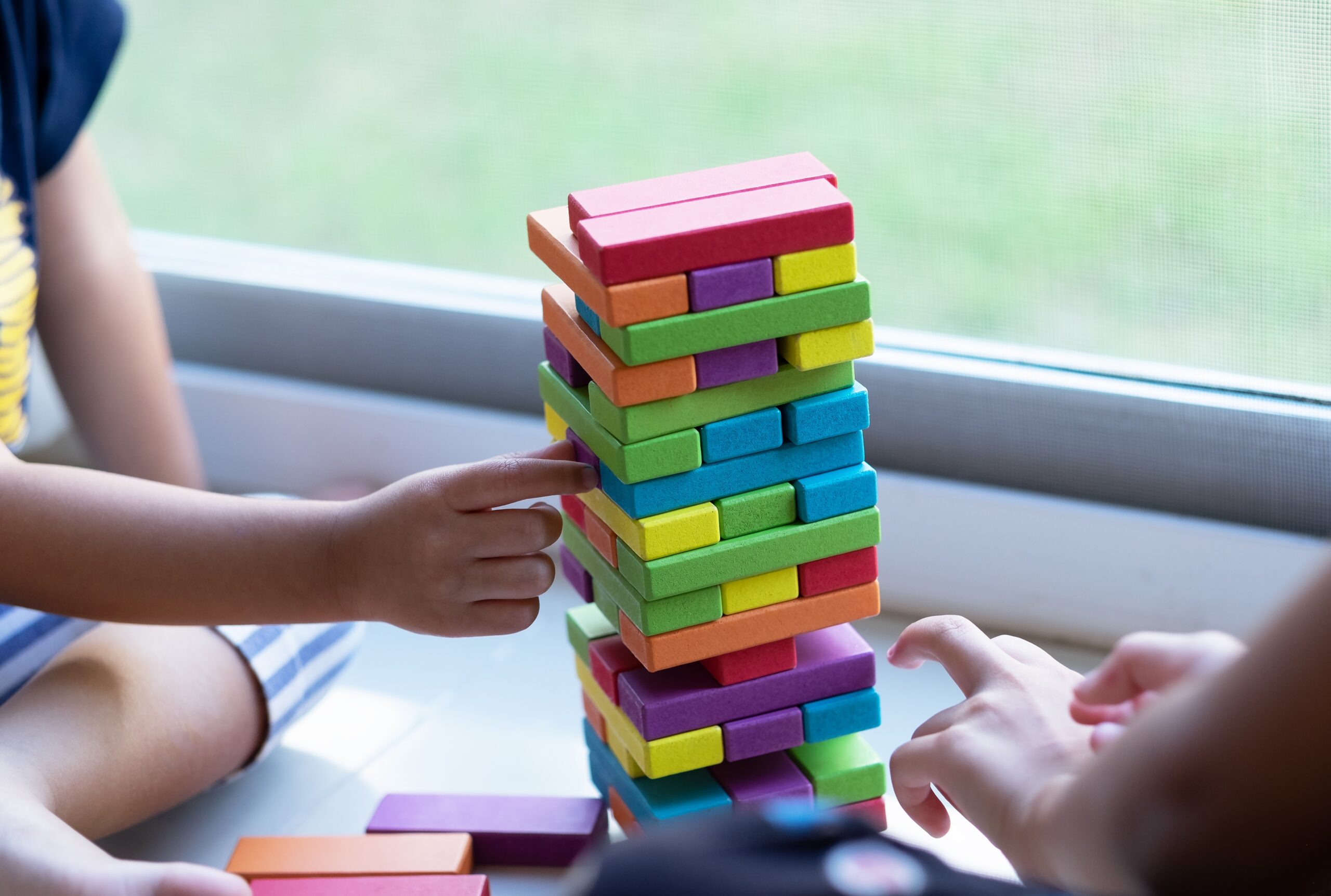
Children work a great deal out through spontaneous play. But not everything, and not every child. Where development has been interrupted — by trauma, by neurodevelopmental difference, by an environment that never made play safe — a child often needs more than space. They need developmental intervention and scaffolding in the zone of proximal development.
Vygotsky’s zone of proximal development is the gap between what a child can do alone and what they can do with support. Scaffolding is the support you supply inside that gap, and then withdraw. You offer just enough — a suggestion, a structure, a turn taken alongside them — that the child succeeds at something slightly beyond their independent reach, and then you step back so the achievement is theirs.
Applied to play, scaffolding might be narrating a stuck sequence, offering one prop that opens a next move, modelling a turn and handing it back, or holding the rules steady while a child manages losing. Too little and the child flounders. Too much and it becomes your play again.
Well-pitched play builds social, emotional, and academic skills, knowledge, and competencies at once — sequencing, counting, vocabulary, categorisation, perspective-taking, negotiation, planning, and frustration tolerance. A child who will not do a worksheet will keep score in a game for forty minutes.
What a child is working on shapes what their play is for. Use this to read the play, not to grade the child.
| Stage | Age | What play is doing |
|---|---|---|
| 1. Trust vs. Mistrust | Infancy | Establishing that the world is reliable and that a caregiver returns. In therapy this is the foundation: all play should first strive for feelings of safety and trust. Predictable rhythm, peekaboo, a session that starts and ends the same way. |
| 2. Autonomy vs. Shame and Doubt | Toddler | Working in autonomy to resolve doubt and shame. Choosing, refusing, doing it themselves, saying no. Let them — the refusal is the work. |
| 3. Initiative vs. Guilt | Preschool | Exploring initiative to overcome guilt by initiating and innovating. Inventing games, making rules, directing you. A child who apologises for their own ideas is telling you something. |
| 4. Industry vs. Inferiority | School age, 6–11 | Competence and craft. Getting good at something, finishing, mastering rules. Games with real skill matter here — and so does how they handle losing. |
| 5. Identity vs. Role Confusion | Adolescence, 12–18 | Trying on selves. Strategy, humour, music, creative work, and talk alongside an activity rather than face to face. Do not stop offering play because they are older; change its form. |
| 6. Intimacy vs. Isolation | Young adulthood, 19–40 | Closeness, mutuality, and risking being known. Shared activity, humour, and collaborative work still carry therapeutic weight for adults. |

As children engage in various forms of play, you have the opportunity to observe capacities no questionnaire will show you.
Watch across sessions and note what you see. This is clinical data and belongs in your conceptualisation.
- Memory, recall, and working memory under load
- Attention, focus, and what breaks it
- Logic, sequencing, and cause and effect
- Planning ahead versus move-by-move
- Flexibility when a strategy fails
- Language: vocabulary, narrative, following instructions
- Understanding of social context and unwritten rules
- Perspective-taking and reading your reactions
- Frustration tolerance, and what happens on losing
- Regulation, and how they recover
- Whether they can accept help, and how they ask
- Themes that repeat, and what is never played
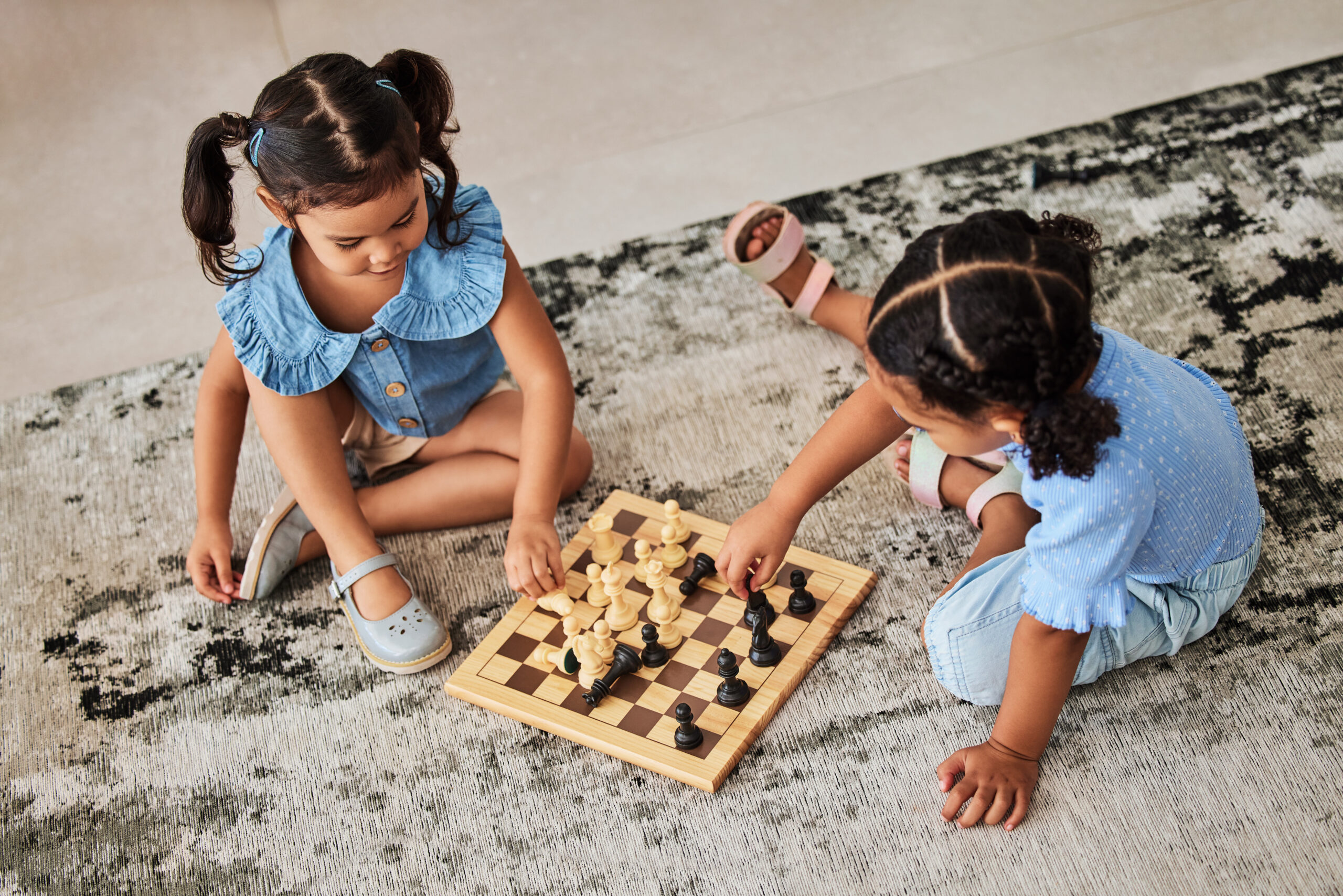
While engaging in play the clinician has continuous opportunity to model appropriate social and friendship behaviours, and to demonstrate values and morals in action rather than instruction. A child learns more from how you take your turn than from anything you say about turn-taking.
At all times you are offering the child practice in:
- Good gamesmanship — winning without gloating, losing without collapse, congratulating an opponent
- Manners — please, thank you, waiting, asking rather than grabbing
- Appropriate social conversation — small talk, interest in the other person, staying on topic, repair after a misstep
- Taking turns — including the wait, which is the difficult part
- Sharing — materials, attention, the spotlight, and the decisions
Model honestly. Play to a real standard rather than throwing every game — children detect false losing and learn from it that they are fragile. Let them win genuinely, and let them lose sometimes, and be the same person either way.
That is the practice’s stance on competition, and it is worth saying aloud to children rather than leaving implied. It gives a losing child somewhere to stand, and it gives a winning child a bigger idea of what winning means.

This is a practice rule, not a recommendation.
Children will invite you into the games they already play. Declining warmly, and offering something else, is part of the work. You do not join them there, for three separate reasons.
- Privacy. These platforms are not HIPAA compliant and Orchard has no business associate agreement with them. Accounts, chat logs, and activity are held by the company, and a session held there is not confidential in any sense we can stand behind.
- Security. Consumer gaming sites carry real exposure to malware and account compromise. A clinician’s device holds client information; it is not a device to take risks with.
- Boundaries. A therapist inside a child’s social gaming world is in their peer space, visible to their friends, on a platform with private messaging. That is a boundary problem waiting to become an incident.
Some of the most popular children’s games and chat services are places where predators seek out and groom children. Children and youth are actively targeted online for sexual exploitation and trafficking, for the production of abuse material, for drug involvement, and for recruitment into violent extremism.
Moderation on these platforms is weaker than parents assume, and determined users work around it. In one widely reported case on Roblox, users found that the platform’s automated profanity filters did not inspect the artwork on custom avatar clothing, so text written into those images passed through unchecked. The general lesson matters more than the specific example: automated safety systems inspect some channels and not others, and people intent on reaching children look for the gaps.
- Use only sites Orchard has vetted. The Games tab lists the current set.
- Share your screen from your own device rather than joining an account of theirs.
- No account creation, no logins, no personal information, no chat features.
- Preview any new site fully before using it with a child, including its chat and social functions.
- Propose additions to the vetted list through your supervisor. Do not add sites on your own.
- Watch for advertising. Free game sites carry ads, and ad content is not vetted by anyone. Use an ad blocker and be ready to move on quickly.
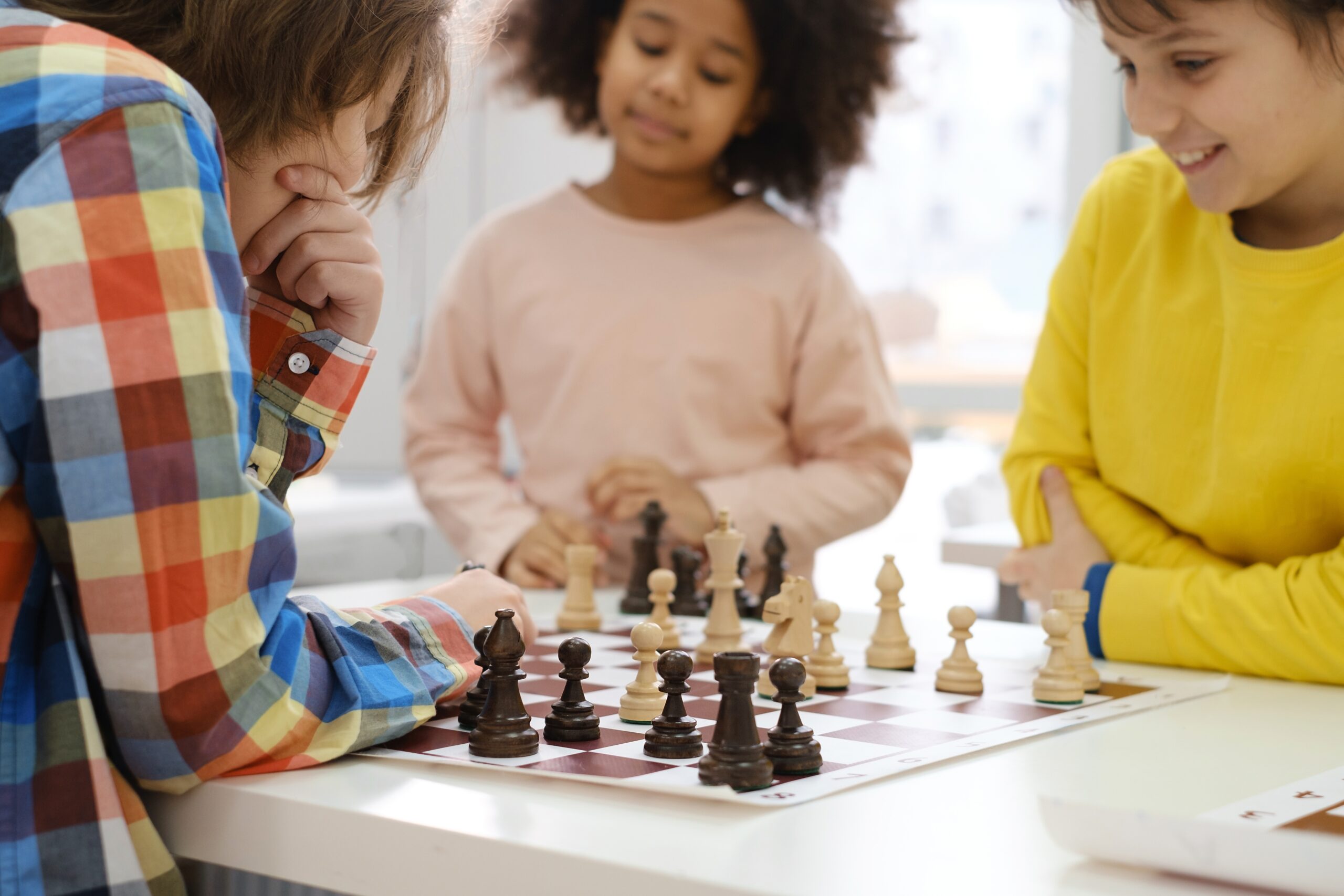
Orchard has identified a selection of game sites that have consistently been safe for both the child and the clinician. Share your screen; do not create accounts.
Pairs.one
Memory matching · all ages
A clean memory and matching game. Excellent for observing memory, recall, focus, and attention, and gentle enough that a struggling child is not exposed. Watch how they respond to a missed match, which often tells you more than the score.
Open Pairs.oneBuddyBoardGames.com
Classic and modern board games · middle childhood through adolescence
A selection of classic and modern board games that appeal to most children and youth, including chess, Azul, and Uno. Good for turn-taking, strategy, and the whole territory of winning and losing.
Open BuddyBoardGamesPapergames.io
Chess, checkers, Battleship · middle childhood through adolescence
Engaging and simple. The chess implementation allows players to take back a mistaken move, which is genuinely useful with a perfectionistic or easily discouraged child — and offers a natural opening to talk about repair.
Open Papergames.ioSkribbl.io
Drawing and guessing · all ages
A drawing game close to Pictionary. Rich for creativity, perspective-taking, and humour.
Adjust for spelling. Guesses are typed, so a child who is not a strong speller can know the answer and still fail to enter it. Supply spelling clues, or type for them, to avoid frustration that has nothing to do with the game.
Open Skribbl.io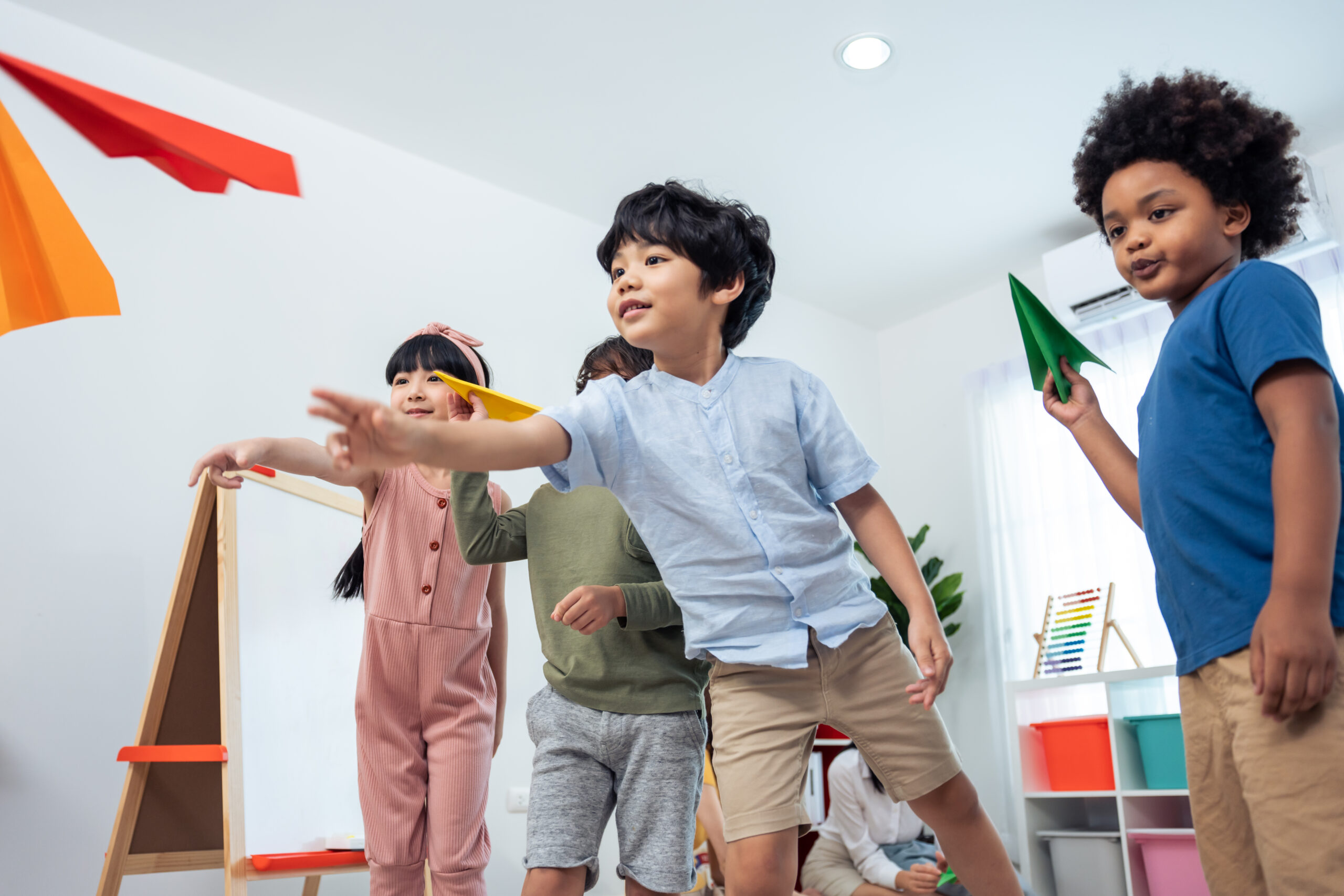
These work over telehealth, cost nothing, cannot break, and put the focus on the two of you rather than a screen. They are often the better choice.
- I Spy — “I spy with my little eye…” Works over video using whatever is visible in either room. Good for attention, description, and perspective-taking, since the child must consider what you can actually see.
- Charades — acting without words. Reveals a great deal about expressive capacity, inhibition, and willingness to be silly in front of another person.
- Guessing games — name this animal, vegetable, or mineral; twenty questions. Excellent for categorisation, hypothesis testing, and tolerating not knowing yet.
- Story building — alternate sentences to build a story together. Sits close to true play, since the child steers the content.

Games and play promote vestibular, proprioceptive, and fine and gross motor development.
The vestibular system, driven by the inner ear, governs balance and the sense of where the body is in space. It is fed by spinning, swinging, rocking, tipping and turning. The proprioceptive system reports position and force from muscles and joints, and is fed by pushing, pulling, carrying, squeezing and climbing. Both are deeply regulating. Children who seek movement constantly, or who avoid it entirely, are often telling you something about these systems.
Gross motor work — jumping, balancing, crossing the midline, moving to a beat — and fine motor work — drawing, building, manipulating small objects — both belong in sessions, and both are observable online.
- Reposition your camera and stand up. You can lead movement, stretching, and yoga from a laptop if the camera can see you.
- Check the child’s space first — room to move, clear floor, nothing to fall against. Ask them to show you.
- Confirm an adult is at home and reachable before anything active.
- Do it with them. A clinician who instructs from a chair while a child jumps has changed the activity into a task.
- Watch for overstimulation. Vestibular input is powerful, and some children escalate quickly. Finish with something slow and heavy — a stretch, a press, a long breath — rather than stopping at peak.
- Follow any occupational therapy plan already in place rather than improvising alongside it.
GoNoodle
Free · ages roughly 4–10 · dance, yoga, breathing, mindfulness
Several hundred short movement videos, designed with child development input and widely used in schools. Dance, stretching, yoga, deep breathing, and calming videos. Look for the calming and mindfulness sections for a child who needs to come down rather than go up.
GoNoodle.com GoNoodle on YouTubeClassic movement songs
Free · early childhood
“Shake Your Sillies Out,” “Head, Shoulders, Knees and Toes,” and similar call-and-response songs are reliably regulating for young children and need no equipment. Many appear within the GoNoodle library; where you use YouTube directly, queue the video before the session so the child never sees search results, related videos, or comments.
Daniel Tiger’s Neighborhood
Free · preschool · values, socialisation, self-regulation
Built on Fred Rogers’ work, and unusually good at teaching very young children emotional vocabulary and self-regulation through short repeatable songs — “when you feel so mad that you want to roar, take a deep breath and count to four.” The strategies transfer directly into your sessions and into the home. Prefer the PBS Kids site, which is ad-light and purpose-built for children.
PBS Kids · Daniel TigerStories teach children about every aspect of life, at a distance that makes the lesson bearable.
A picture book lets a child meet their own experience in someone else’s shape. The monkey is grumpy, not them. The octopus is anxious, not them. That distance is exactly what makes the conversation possible, and it is why bibliotherapy reaches children who deflect direct questions.
Orchard maintains an electronic library of over 900 books. Read-aloud versions of many popular titles are also freely available online.
- Read it yourself first. Always. Some books resolve in ways that would land badly for a particular child.
- Stop and wonder aloud rather than quizzing. “I wonder what he’s feeling right now” opens more than “how do you think he feels?”
- Let the child hold the connection to themselves. Do not make it for them.
- Reread. Children ask for the same book because they are still working on it.
- Send the title home so the family can continue it.
| Title | What it carries |
|---|---|
| I Am Stronger Than Anger | Self-regulation and self-soothing when anger is big |
| Angry Octopus | Progressive muscle relaxation and self-regulation, taught inside the story so the child practises while listening |
| Grumpy Monkey | That a bad mood needs no reason and no fixing — permission to feel it |
| The Sour Grape | Grudges, forgiveness, and what holding on costs |
| No, David! | Being the child who is always in trouble, and being loved anyway. Powerful for children who have absorbed that they are bad |
| Puppy Mind | Metacognition and mindfulness — the wandering mind as a puppy to be trained gently rather than scolded |
| Marmalade Jam Dr. Darleen Claire Wodzenski |
Written for children who have experienced trauma. Part of the Marmalade Jam therapeutic series, with a companion colouring book |
| Juno’s Butter Knife Dr. Darleen Claire Wodzenski |
Also for children who have suffered trauma; ask your supervisor which fits the child in front of you |
Storyline Online
Free · ad-free · fully licensed
The SAG-AFTRA Foundation’s literacy programme — over a hundred children’s books read aloud by well-known actors, with illustrations and a free activity guide for each. Ad-free and properly licensed, which makes it the safest read-aloud source to use in session.
Open Storyline Online- Axline, V. M. Play therapy. Ballantine Books.
- Booth, P. B., & Jernberg, A. M. Theraplay: Helping parents and children build better relationships through attachment-based play (3rd ed.). Jossey-Bass.
- Erikson, E. H. Childhood and society. W. W. Norton.
- Erikson, E. H. Identity: Youth and crisis. W. W. Norton.
- Landreth, G. L. Play therapy: The art of the relationship. Routledge.
- Piaget, J. Play, dreams and imitation in childhood. W. W. Norton.
- Vygotsky, L. S. Mind in society: The development of higher psychological processes. Harvard University Press.
- Wood, D., Bruner, J. S., & Ross, G. The role of tutoring in problem solving. Journal of Child Psychology and Psychiatry, 17(2), 89–100.
- American Counseling Association. ACA code of ethics.
- Association for Play Therapy. Play therapy best practices and credentialing standards. a4pt.org
Questions about this module: contact the Internship Coordinator, Beth Wodzenski, MA CMHC, NCC, APC, at B@orchardhumanservices.org. Questions about applying it to a specific client belong in supervision. Return to the Internship Supervision Index.
Orchard Human Services, Inc. · Uplifting Lives by Counseling, Educating & Caring
This module is professional training for supervisees. It is not legal advice.
Content last reviewed September 2026.