



Protecting Students with Disabilities – Equal Access to Education
accommodations for students with disabilities who
do not qualify for special education services.
What is Section 504?
Section 504 of the Rehabilitation Act of 1973 is a civil rights law that prohibits discrimination against individuals with disabilities in programs receiving federal funding, including public schools.
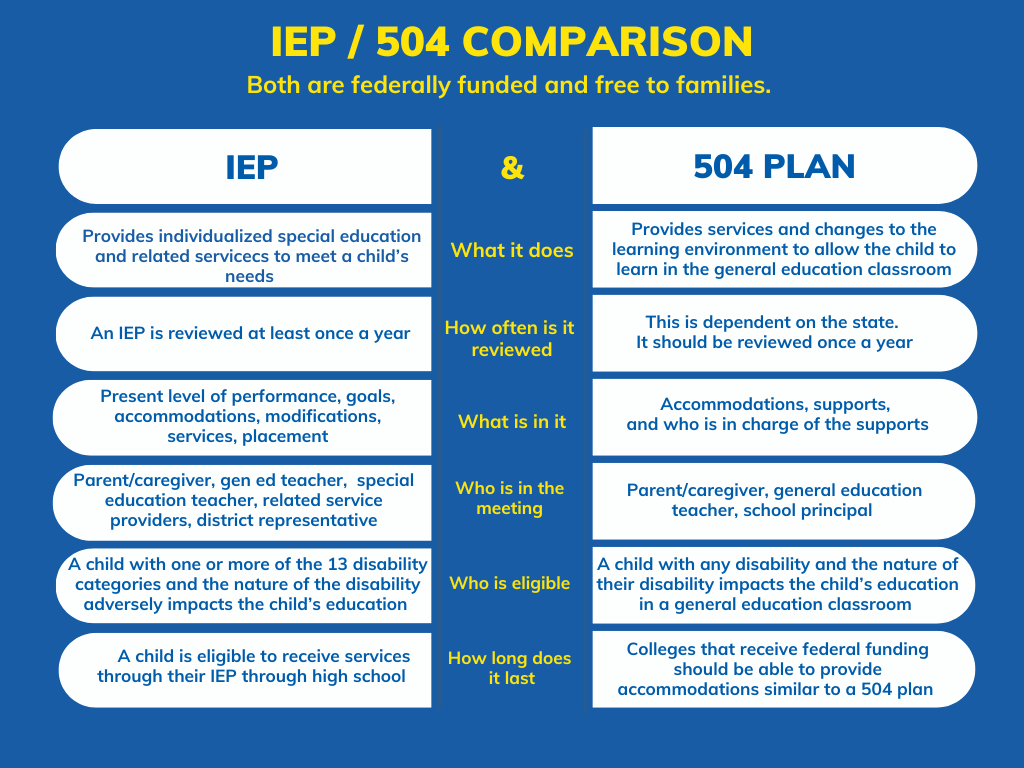
A 504 Plan provides accommodations to ensure students with disabilities have equal opportunities to succeed! Consider the chart below from The Foundation for Hearing and Speech Resources:
Visible and Invisible Disabilities Can Qualify
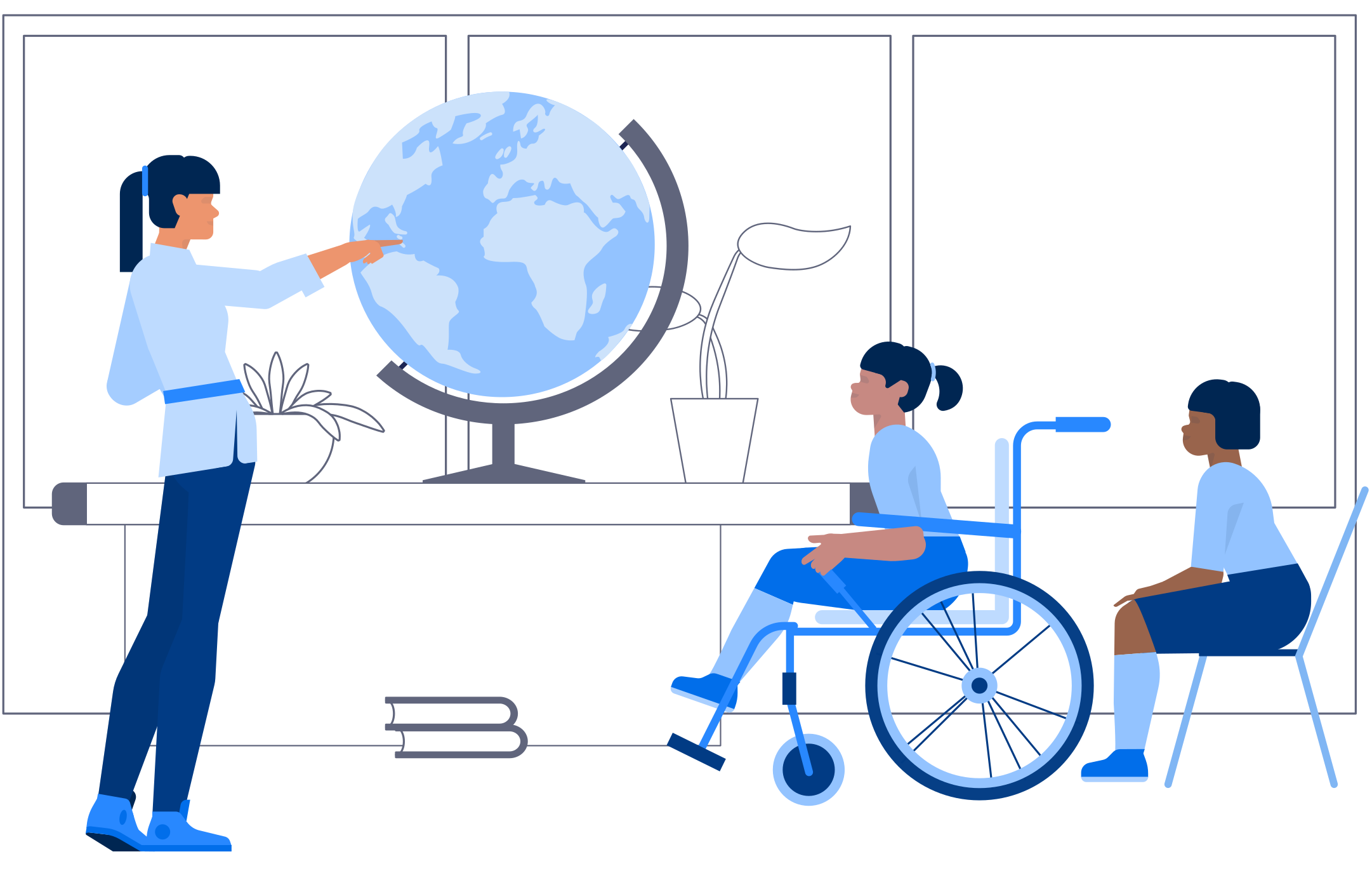
Some disabilities are visible, such as a child in a wheelchair, while others are not obvious or visible to others, such as mental health or medical disorder. Both visible and invisible disabilities can qualify for a Section 504 Plan of protection if the student does not otherwise qualify for an IEP. The school requires documentation of the diagnosis of the medical, mental health, or physical diagnosis by a licensed professional.
Common Accommodations
- ✓ Extended time on tests and assignments
- ✓ Preferential seating in class
- ✓ Use of assistive technology (e.g., text-to-speech)
- ✓ Modified homework or note-taking help
- ✓ Breaks for medical needs
- ✓ Access to counseling services
- ✓ Access to supplies, resources, and aids

An IEP tends to be more comprehensive, so if a child requires additional consideration, the IEP can be expanded rather than add in a section 504 plan of protection. Parents can request an IEP meeting to address additional protections needed by the child who is already being served under an IEP or Individualized Education Plan.
Who Qualifies?
Students with a physical or mental impairment that substantially limits major life activities (e.g., learning, walking, concentrating), including ADHD, anxiety, diabetes, allergies, and more.
Check with the Department of Special or Exceptional Student Education at your local school district, county or state to learn more about how the Section 504 Plan works in your district.
Know Your Rights! Contact your school for a 504 evaluation. Learn more: U.S. Department of Education – Section 504 (As of December 2025)