



In today’s fast-paced world, mental health issues like depression, anxiety, and mood swings are increasingly common. But what if some of these challenges stem from an often-overlooked source: the thyroid gland? A groundbreaking white paper titled “A Holistic Approach to Subclinical Thyroid Dysfunction and “Sub-Laboratory” or Symptomatic Thyroid Insufficiency: A Review of Evidence from Peer-Reviewed Journals” delves into this very topic, highlighting how subtle imbalances in thyroid function can profoundly affect our emotional well-being. Best of all, this insightful resource is available for free download, making it accessible for anyone interested in holistic health solutions.
Click here for a free white paper on Holistic Approach to Hashimoto’s & Subclinical Thyroid Issues

Thyroid and Mental Health: An Intertwined Relationship
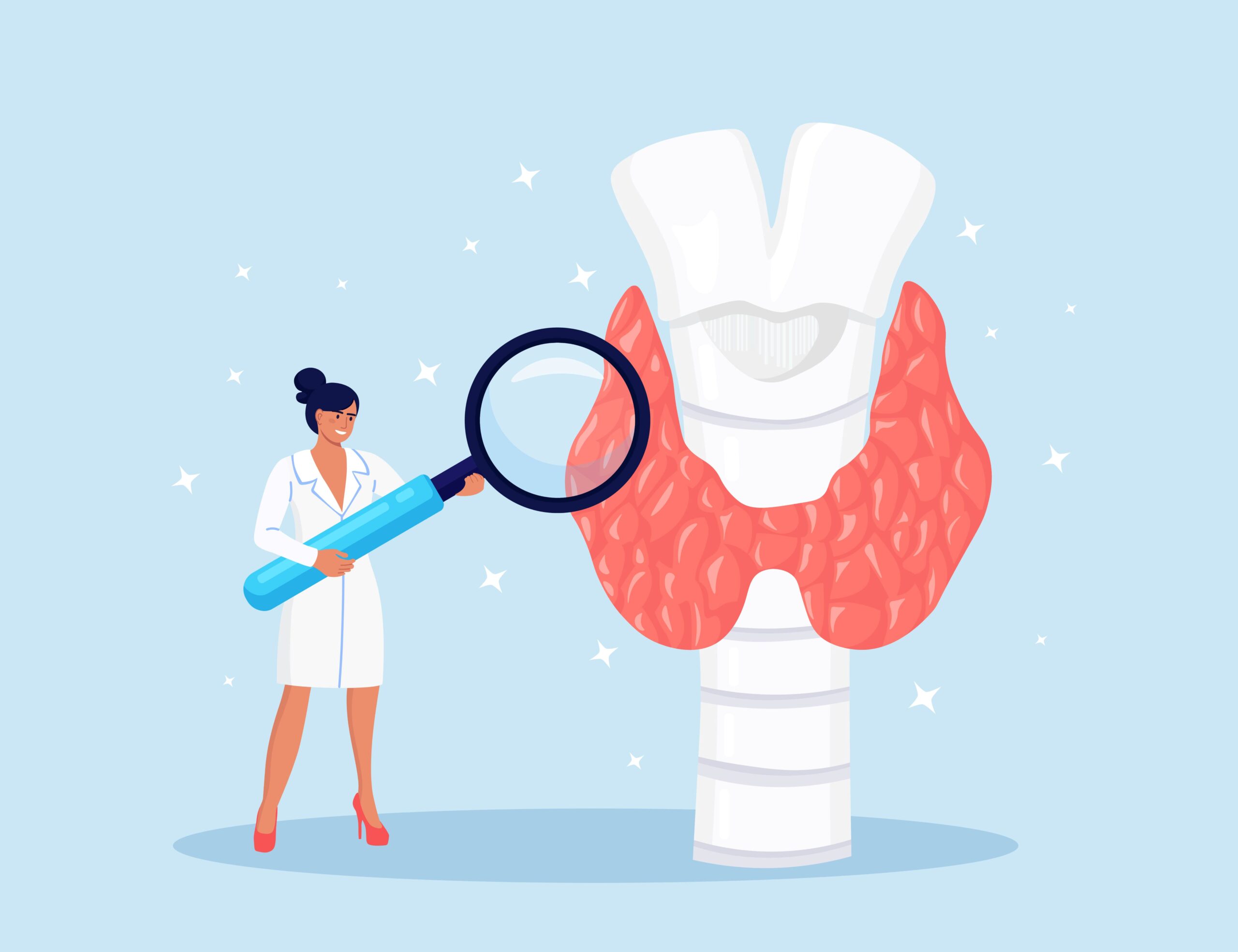
The thyroid gland, a small butterfly-shaped organ in the neck, plays a crucial role in regulating metabolism, energy levels, and even brain function. When it doesn’t work optimally—whether due to subclinical hypothyroidism (where lab tests appear normal but symptoms persist) or more overt issues—it can lead to a cascade of effects on the mind. Research shows that thyroid hormones are essential for neurotransmitter balance and brain metabolism, and disruptions can mimic or exacerbate psychiatric conditions.
The Thyroid-Mental Health Connection: What the Evidence Says
Thyroid dysfunction has been linked to a wide array of neuropsychiatric symptoms. For instance, hypothyroidism (low thyroid hormone levels) is frequently associated with depression, cognitive fog, and reduced motivation. Patients may experience persistent low mood, fatigue, and even memory problems that don’t resolve with standard antidepressants alone. On the flip side, hyperthyroidism (excess thyroid hormones) can trigger anxiety, irritability, and manic episodes, making everyday life feel overwhelming.
Studies indicate that even mild, “sub-laboratory” thyroid insufficiencies—where blood tests fall within normal ranges but symptoms like mood instability persist—can impact mental health. One review notes that thyroid hormones influence serotonin and dopamine pathways, key players in regulating mood. In women, who are more prone to thyroid disorders, these issues can manifest as emotional volatility, weight changes, and sleep disturbances, further compounding stress and mental strain.
Thyroid and Mental Health: An Intertwined Relationship —
Moreover, untreated thyroid problems can lead to more severe outcomes, such as dementia-like symptoms in older adults or heightened emotional sensitivity across all ages. Experts emphasize that screening for thyroid function should be a routine part of mental health evaluations, as correcting imbalances often alleviates psychological symptoms without the need for additional psychiatric interventions.
Insights from the White Paper
This white paper, drawing from peer-reviewed journals, advocates for a holistic approach to addressing subclinical thyroid dysfunction. It reviews evidence on “sub-laboratory” hypothyroidism, where patients exhibit symptoms despite normal lab results, and explores empirical treatments like natural thyroid hormone replacements. The document, originally published in Alternative Medicine Review, argues that conventional testing may miss subtle insufficiencies that dramatically affect quality of life, including mental clarity and emotional stability.
Key takeaways include:
- Recognition of symptomatic thyroid insufficiency beyond standard lab thresholds.
- Evidence-based discussions on how thyroid optimization can improve mood disorders.
- Practical guidance for clinicians and patients seeking integrative care.
By synthesizing data from various studies, the paper challenges traditional views and promotes a more comprehensive evaluation of thyroid health.
Click here for a free white paper on Holistic Approach to Hashimoto’s & Subclinical Thyroid Issues
Why This Matters for Your Well-Being
Understanding the thyroid’s role in mental health empowers individuals to seek proper diagnosis and treatment. If you’re experiencing unexplained mood changes, consulting a healthcare provider for thorough thyroid testing could be a game-changer. This white paper serves as an excellent starting point for deeper exploration and is offered for informational purposes only. As always, seek the advice of your doctors, pharmacist, and other qualified professionals.
Ready to learn more? Download the full white paper for free here: PDF Download Link. Dive into the evidence and take a step toward better holistic health today.

You can reach Dr. Darleen at DrDarleen@orchardhumanservices.org or (770) 686-0894.