




A Guide for Lipedema Thrivers
Lipedema is a chronic condition that is associated with abnormal fat accumulation, typically in the lower body such as the buttocks, thighs, calves, and sometimes the arms. This fat, or adipose tissue, is not the same as regular body fat, not easily responding to diet or exercise. The altered adipose tissue in Lipedema may also involve significant pain and tenderness.

If you’re experiencing this, you’re not alone. This page aims to explain why the adipose tissue in lipedema hurts, based on medical insights, and provide some guidance on managing it.
Dr. Darleen is licensed as a Professional Clinical Mental Health Counselor in Florida, Georgia, and Virginia. She additionally offers some non-clinical services including Quantum Success Hypnotherapy across the country and internationally. Reach her at +1 (770) 686-0894 or by email at DrDarleen@orchardhumanservices.org
What is Lipedema?
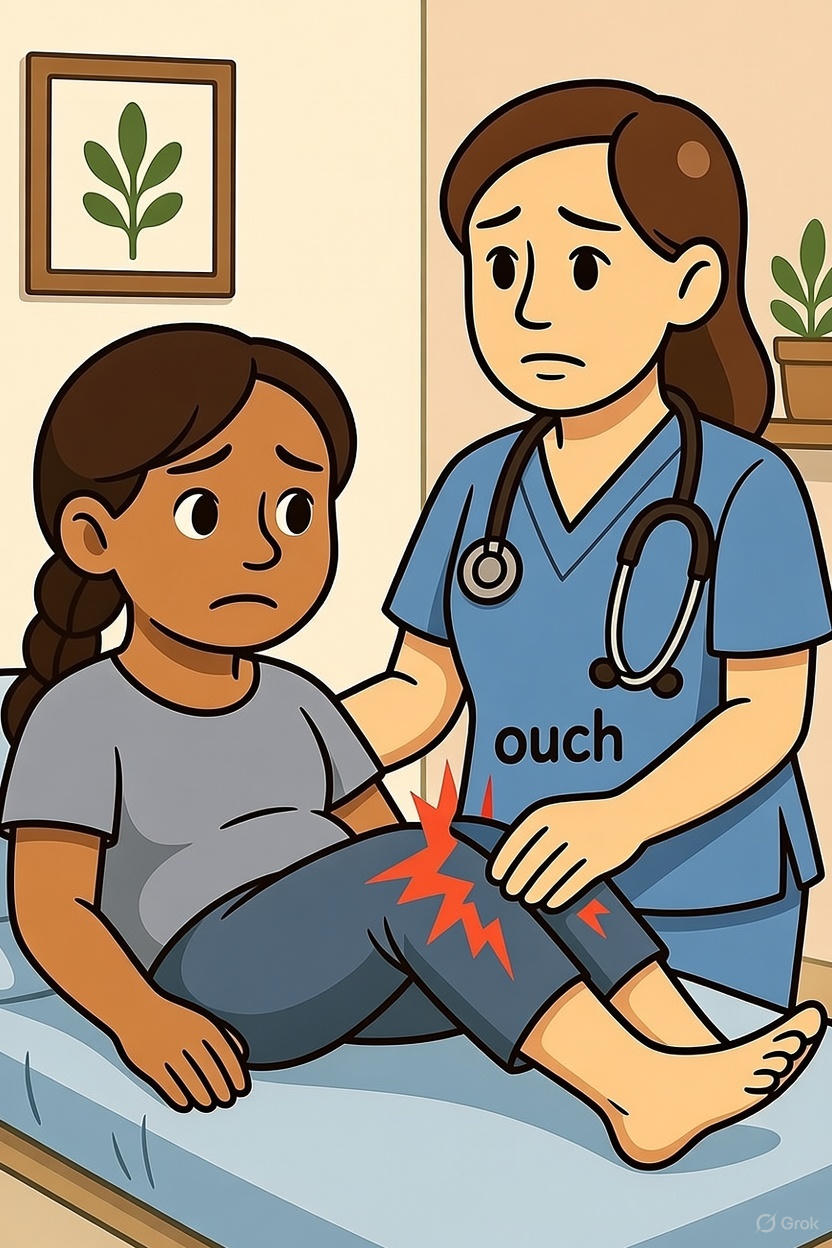
Lipedema, sometimes called “painful fat syndrome,” involves the buildup of adipose (fat) tissue that leads to disproportionate body shapes. It primarily affects women and is thought to be linked to hormonal changes, genetics, and possibly estrogen levels.
The fat deposits are often symmetrical and stop abruptly at the ankles or wrists, sparing the feet and hands. This pattern is sometimes referred to as a “fat bracelet” or “fat anklet” as it appears like something wrapped around the ankle and wrist.
On top of the increased size and pain of adipose tissue in targeted areas of the body, as lymphatic fluid may also become trapped in the body. The swelling of the secondary lymphedema can increase pressure, pain, and limit freedom of movement. The sum total is an increase in pain and discomfort.
In some cases, the pain of Lipedema may be so excruciating that you scream out on pain when a child or pet sits on your lap. When the lipedema affects the arms, checking your blood pressure may cause intense pain as the blood pressure cuff is tightened.
Why Does the Adipose Tissue (Fat) Hurt?
The pain in lipedema isn’t just discomfort—it may be described as tenderness, aching, stabbing, or burning in the affected areas. Here’s what research suggests about the causes:

Allodynia and Heightened Sensitivity: The fat tissue becomes hypersensitive to touch, meaning even light pressure can cause pain. This is known as allodynia.
Sympathetic Nervous System Overactivity: There’s evidence of exaggerated signaling from the sympathetic nervous system, which can amplify pain sensations.
Estrogen Influence: Hormones like estrogen may play a role, as symptoms often worsen during puberty, pregnancy, or menopause.
Hypoxia and Inflammation: The abnormal fat cells may experience low oxygen levels (hypoxia), leading to inflammation and stress in the tissue. This can cause the fat to feel painful and swollen.
Nodules and Joint Strain: As lipedema progresses, hard nodules form under the skin from inflamed fat deposits, which can press on joints and cause additional pain.
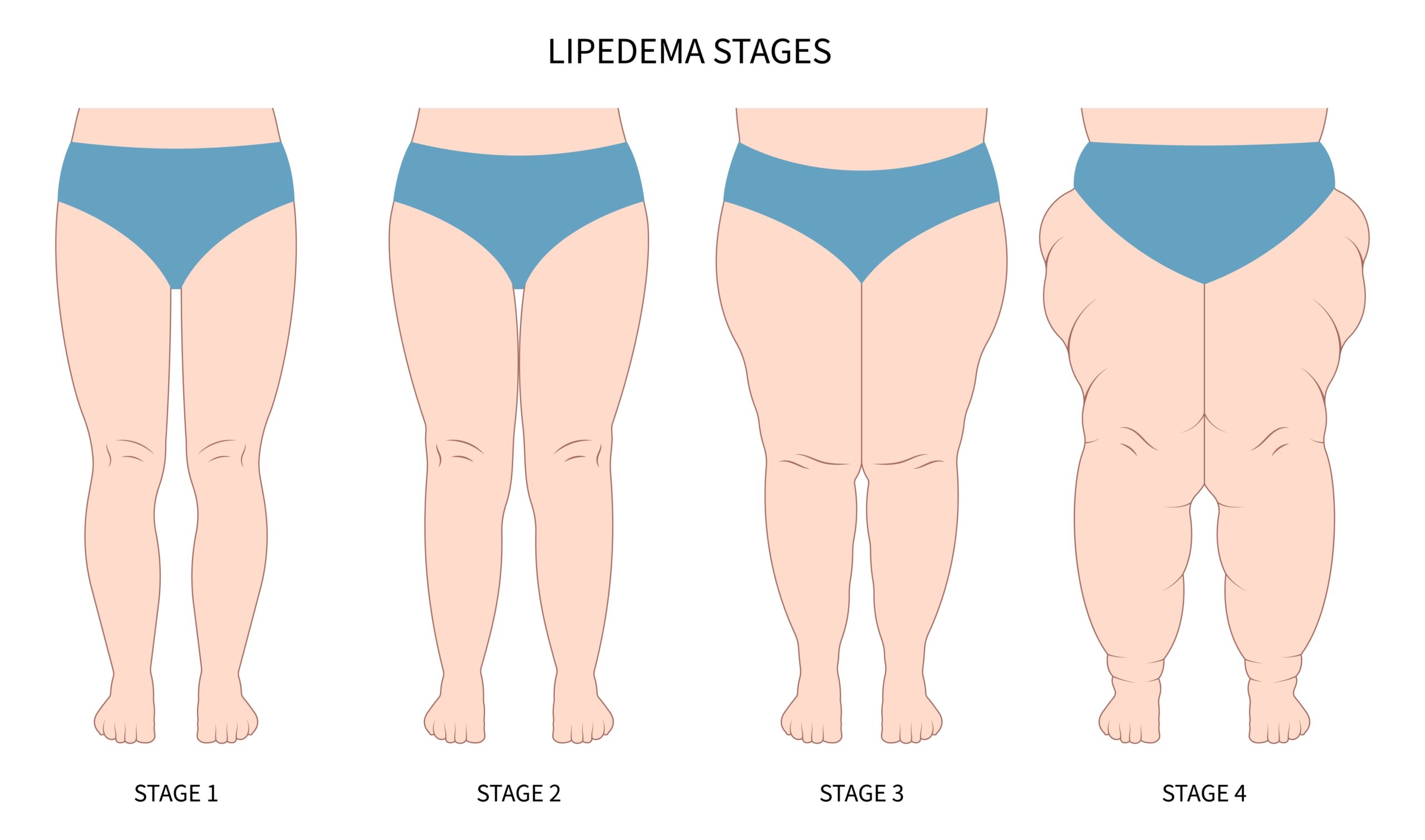
Consider the following chart that depicts the stages of Lipedema in the lower limbs. Some forms of Lipedema may also affect parts of the torso and upper body including arms.
Symptoms Beyond Pain
In addition to pain, lipedema can cause:
- Easy bruising and spider veins.
- Heavy, tired legs.
- Mobility issues as the condition advances.
- Emotional distress due to body image and misdiagnosis (often confused with obesity or lymphedema).
Management and Treatment Options
While there’s no cure, several strategies can help reduce pain and improve quality of life:
Compression Garments: These help reduce swelling and pain by supporting the tissues.
Manual Lymphatic Drainage (MLD): A gentle massage technique to improve fluid flow.
Movement: Low-impact activities like swimming and chi gong.
Nutrition: Health nutrition can support health and prevent aggravating inflammation
Always consult a healthcare professional for a proper diagnosis and personalized plan. Support from a mental health professional can also grow resilience and find ways to cope, survive, and thrive with Lipedema. Resources like the Lipedema Foundation can provide additional resources and support.
Dr. Darleen Claire Wodzenski, PhD, LPC, NCC, ACS is a Clinical Mental Health Counselor who provides supportive services to the Lipedema community. As a Thriver with Lipedema herself, she brings personal experience and profound compassion to the healing space.

MS ESE, MA CMHC, PhD, NCC, LPC, ACS

+1 (770) 686-0894 or by email at DrDarleen@orchardhumanservices.org