




Lymphedema typically happens on one side of the body whereas Lipedema happens to both sides. With lymphedema, the swelling may go down the leg and into the foot. With Lipedema, the hands and feet are typically spared so the feet appear to be a typical size and shape. For some, they have both Lipedema and Lymphedema.

may seem very similar, but many differences
exist between the two conditions.
Summary Of Lipedema vs. Lymphedema

Lymphedema and lipedema are both chronic conditions that cause swelling in the limbs, often leading to pain, mobility issues, and misdiagnosis as obesity or simple edema, yet they differ fundamentally in their causes and manifestations. Lymphedema results from a damaged or blocked lymphatic system, typically triggered by surgery, radiation, injury, or infection, leading to asymmetric fluid accumulation that can affect one limb more than the other and often involves the hands or feet, increasing infection risks like cellulitis. In contrast, lipedema involves symmetrical buildup of abnormal, spongy fat tissue, primarily in the legs and sometimes arms, sparing the hands and feet; it is thought to be genetic and hormonal, affecting mostly women, and does not respond to diet or exercise, with symptoms including easy bruising and tenderness. While lymphedema is fluid-based and can be secondary to other health issues, lipedema is fat-based and progressive, but some thrivers—individuals living resiliently with these conditions—experience both simultaneously in a combined state known as lipo-lymphedema, where advanced lipedema exerts pressure on the lymphatic vessels, causing secondary lymphedema and exacerbating swelling, pain, and treatment complexity.
Dr. Darleen Claire Wodzenski, MS ESE, MA CMHC, PhD, NCC, LPC, ACS is licensed as a Professional Clinical Mental Health Counselor in Florida, Georgia, and Virginia and has personal experience as a thriver with Lipedema. She additionally offers some non-clinical services including Quantum Success Hypnotherapy across the country and internationally. She is also a credentialed massage and neuromuscular therapist with extensive experience in lymphatic clearing. You may reach her at +1 (770) 686-0894 or DrDarleen@orchardhumanservices.org
The Difference Between
Lipedema and Lymphedema

Both lipedema and lymphedema are chronic conditions that cause swelling in the limbs, often leading to pain, discomfort, and mobility challenges. They are frequently misdiagnosed as obesity or regular edema, but they have distinct causes, symptoms, and treatments. Getting an accurate diagnosis is crucial for effective management.
Key Differences at a Glance
| Feature | Lipedema | Lymphedema |
|---|---|---|
| Cause | Abnormal accumulation of fat tissue (genetic/hormonal, mostly affects women) | Buildup of lymphatic fluid due to damaged or blocked lymphatic system |
| Primary Affected Areas | Symmetrical: Legs (often from hips to ankles), sometimes arms; spares hands and feet | Can be asymmetrical (one limb); often includes hands or feet |
| Appearance | Column-like legs, “cuff” at ankles, easy bruising, nodular or spongy feel | Pitting edema (dents when pressed), thickening/hardening of skin over time |
| Pain/Sensitivity | Painful to touch, tender, easy bruising | Heaviness, aching; higher risk of infections (cellulitis) |
| Response to Elevation/Diet | Does not improve with elevation, diet, or exercise | May reduce slightly with elevation; not related to fat |
| Onset | Often starts or worsens at puberty, pregnancy, or menopause | Primary (congenital) or secondary (after surgery, radiation, infection, trauma) |

Whether you have Lipedema, Lymphedema, or Lipo-lymphedema, engaging in health supportive practices can improve quality of life and even reduce symptoms.
Sleep is one critical factor in overall well-being. Sleep in a dark room and eliminate all sources of blue light at night, as it will interfere with melatonin production and deep sleep. During the daytime, get direct exposure to sunlight on your face.
Daily exposure to sunlight, fresh air, and movement are key to maximizing health and well-being. Nutrition is also an important factor.
More Details on Each Condition
Lipedema
- Almost exclusively affects women (rare in men).
- Fat buildup is resistant to diet and exercise.
- Symptoms: Pain on pressure, easy bruising, feeling of heaviness, hypersensitivity.
- Progresses in stages, but does not typically cause pitting edema early on.
- Can lead to secondary lymphedema if untreated (called lipo-lymphedema).
Lymphedema
- Affects men and women equally.
- Caused by lymphatic dysfunction (e.g., after cancer treatment, infection, or congenital).
- Symptoms: Swelling that pits when pressed (early stages), risk of recurrent infections, skin thickening.
- Managed primarily with compression, manual lymphatic drainage, and skin care.
Dr. Darleen Claire Wodzenski, MS ESE, MA CMHC, PhD, NCC, LPC, ACS is licensed as a Professional Clinical Mental Health Counselor in Florida, Georgia, and Virginia and has personal experience as a thriver with Lipedema. She additionally offers some non-clinical services including Quantum Success Hypnotherapy across the country and internationally. She is also a credentialed massage and neuromuscular therapist with extensive experience in lymphatic clearing. You may reach her at +1 (770) 686-0894 or DrDarleen@orchardhumanservices.org
Important Note
Some people develop both conditions together (lipo-lymphedema), where lipedema fat compresses lymphatic vessels, leading to fluid buildup. Early intervention from specialists in lymphatic disorders is key.
If you’re experiencing symptoms, consult a healthcare professional experienced in these conditions for proper evaluation. Treatments like specialized compression, lymphatic clearing massage, or vibration plate may significantly improve quality of life.
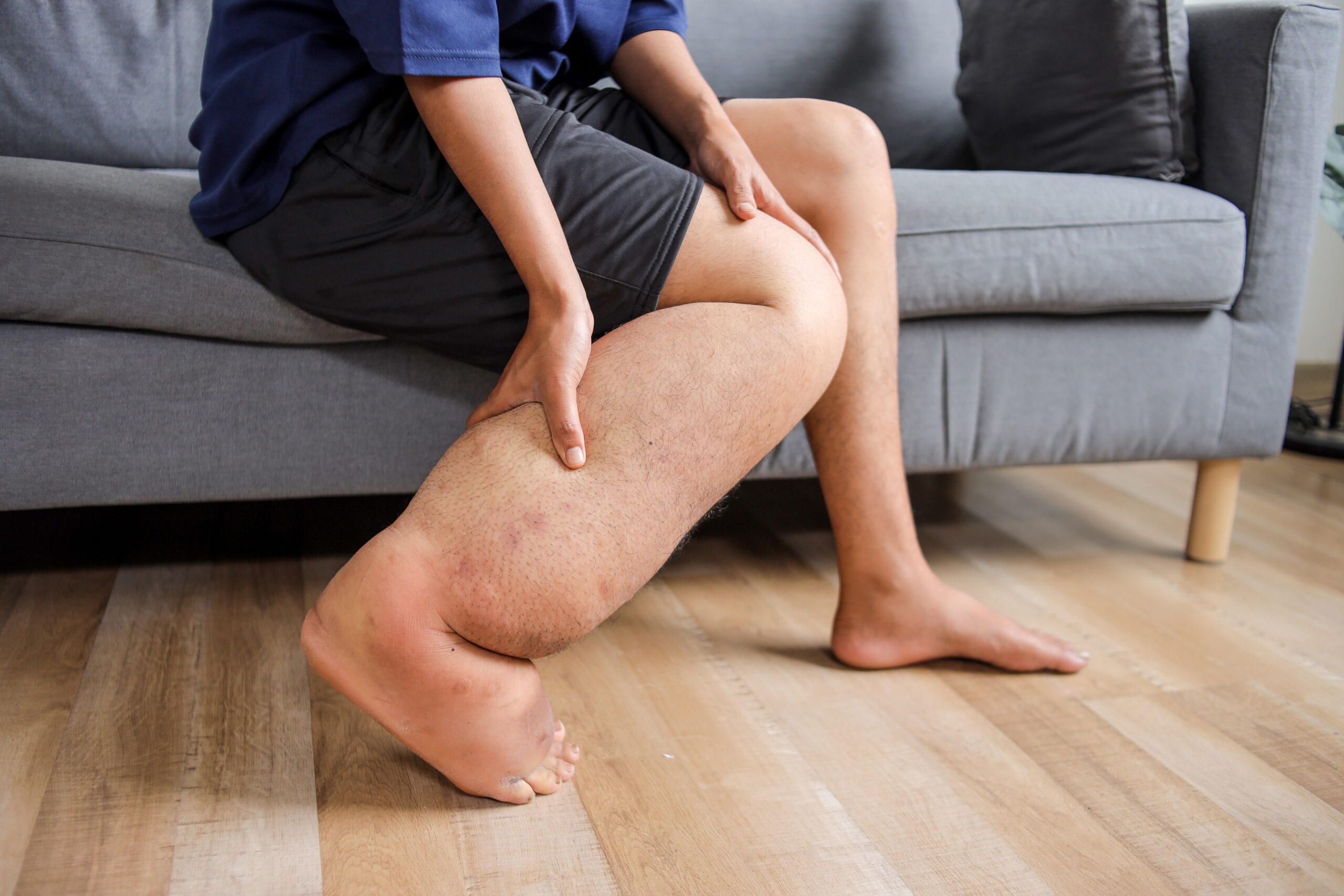
affecting only one leg and foot. Notice
the changes in tissue and the swelling
continues down into the foot and toes.

sides equally. This woman is wearing
compression stockings to reduce the
swelling while she walks.
The page is being shared for informational purposes only. Consult a professional to seek diagnosis and recommendations for treatment. You may benefit from a multidisciplinary team that could include medical providers; mental health providers; pharmacists; and holistic practitioners such as chiropractors and nutritionists. Be well, and take good care of you!

Dr. Darleen Claire Wodzenski, MS ESE, MA CMHC, PhD, NCC, LPC, ACS is licensed as a Professional Clinical Mental Health Counselor in Florida, Georgia, and Virginia and has personal experience as a thriver with Lipedema. She additionally offers some non-clinical services including Quantum Success Hypnotherapy across the country and internationally. She is also a credentialed massage and neuromuscular therapist with extensive experience in lymphatic clearing. You may reach her at +1 (770) 686-0894 or DrDarleen@orchardhumanservices.org

All rights reserved.